


Brake Cable
This Brake Cable is an important connecting part for mechanical braking and parking brake systems, used to transmit pulling force efficiently and safely. Available in hand brake cable, foot brake cable and rear wheel brake cable to fit different vehicle models and installation positions, Brake Cable adopts high-strength steel wire rope with multi-strand winding structure, featuring high tensile strength, excellent flexibility and strong fatigue resistance. The outer layer is protected by wear-resistant and weatherproof PVC or PE sheath, effectively isolating dust, water and corrosion, ensuring smooth sliding and no jamming during long-term use. It has stable tension transmission, small elongation and reliable return performance, avoiding looseness or breakage under frequent operation. Each cable is strictly tested for tensile force, wear resistance and durability to meet automotive safety standards. Suitable for passenger cars, commercial vehicles, trucks and engineering machinery, Brake Cable ensures sensitive and stable braking control, long service life and consistent performance in complex road environments.


Brake Cable Construction and Connection Details
An automotive brake cable assembly combines a flexible steel wire core, protective outer covering and end connection components. Understanding these parts helps distributors and automotive parts buyers evaluate product construction, installation compatibility and long-term operating requirements.
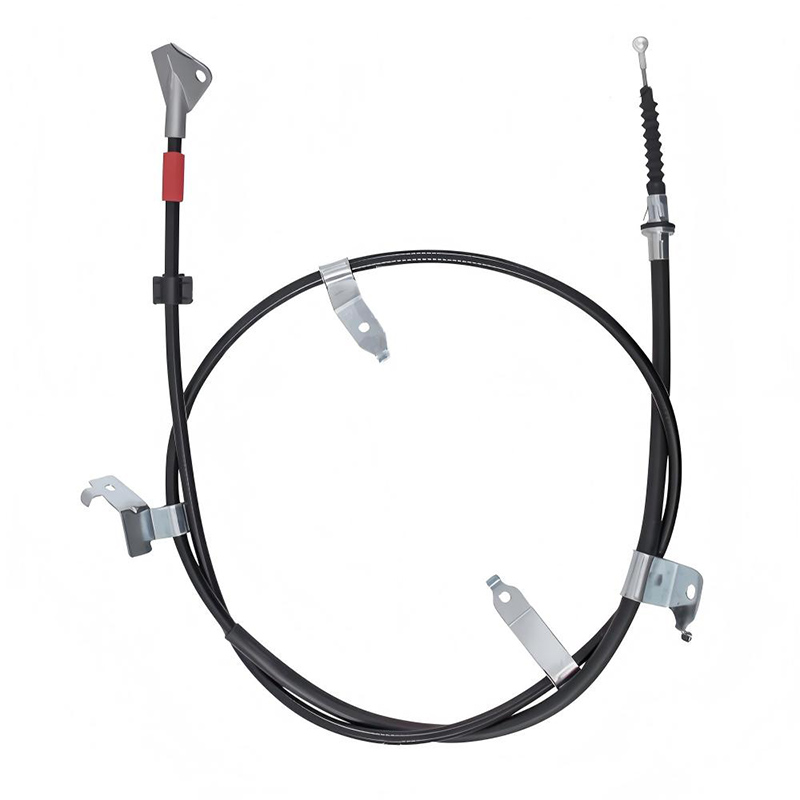
Main Components of a Brake Cable Assembly
A parking brake cable transfers mechanical pulling force from the operating mechanism to the corresponding brake assembly. Its construction needs to support controlled movement while protecting the internal cable from external contamination and mechanical damage.
- Steel wire core: Carries tensile force during brake operation and needs to maintain reliable mechanical movement.
- Outer protective sheath: Covers the inner cable and helps limit exposure to moisture, dust and road contaminants.
- End fittings: Connect the cable to the operating lever, equalizer or brake mechanism according to the vehicle design.
- Mounting brackets and clips: Help maintain the intended cable position along the vehicle routing path.
- Protective boots: Help protect exposed connection areas from dirt and moisture where fitted.
Why Does Each Component Matter?
The inner cable, protective sheath and connecting hardware work together. A strong steel core alone does not guarantee reliable operation if the cable binds inside its sheath or the end fittings do not match the vehicle connection points. For replacement parts and wholesale purchasing, the complete cable assembly should therefore be evaluated rather than considering only the cable material.
Brake Cable Types and Vehicle Fitment Considerations
Different automotive brake cable configurations serve different operating positions and vehicle designs. Correct identification of cable type, connection geometry and routing is essential when selecting replacement brake cables for automotive aftermarket distribution.
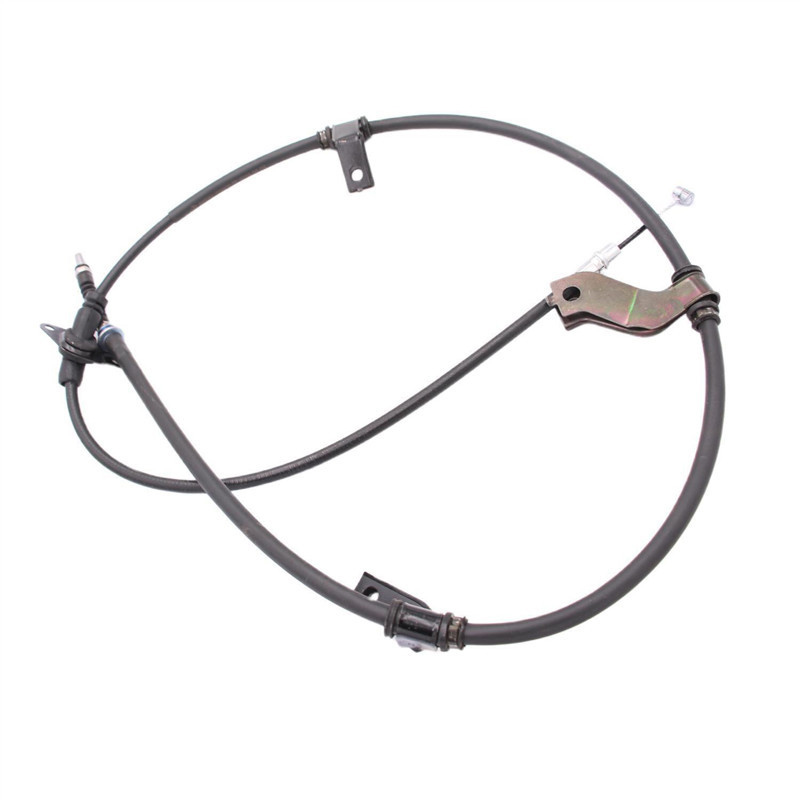
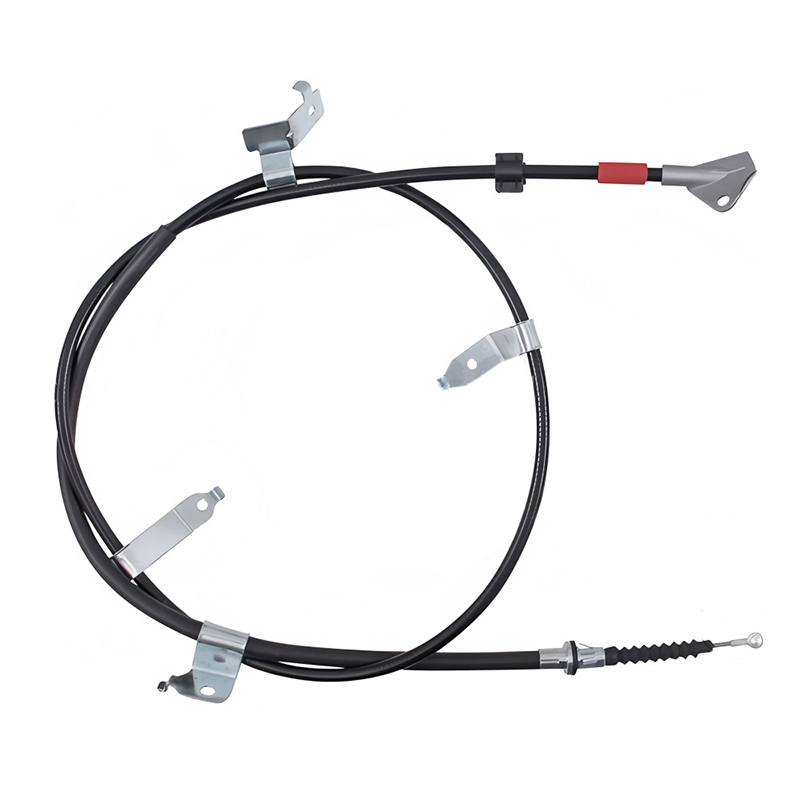
Key Vehicle Compatibility Factors
| Identification Factor | What to Verify | Why It Matters |
|---|---|---|
| OEM part number | Original reference and replacement number | Reduces the risk of selecting an unrelated cable. |
| Vehicle application | Make, model, year and relevant configuration | Identifies differences between vehicle versions. |
| Cable dimensions | Overall length and connection positions | Helps ensure correct routing and installation. |
| End fittings | Terminal shape, bracket and mounting arrangement | Ensures compatibility with the original mechanism. |
| Installation position | Front, rear, left or right position | Prevents incorrect position and routing selection. |
For aftermarket purchasing, an OEM reference should be checked against the vehicle application and physical connection details. A similar-looking cable is not necessarily interchangeable.
Automotive Brake Cable Installation and Routing Considerations
Correct brake cable routing helps maintain smooth mechanical movement and prevents unnecessary wear. For repair workshops and replacement parts distributors, installation compatibility is an important consideration when evaluating automotive parking brake cables.
1. Follow the Original Cable Routing
The replacement cable should follow the vehicle manufacturer's specified routing path. Incorrect positioning can cause interference with surrounding components or create excessive friction during operation.
2. Avoid Sharp Bends and Twisting
A sharply bent or twisted cable can restrict the movement of the inner wire. The cable should retain its intended curvature without being forced into an unsuitable installation position.
Secure the Mounting Points
Retain the cable using the intended brackets and clips. The outer sheath should not move excessively, become crushed or rub against adjacent parts.
Maintain Component Clearance
Check clearance around suspension, steering and other moving components throughout their operating range.
Avoid Excessive Heat Exposure
Keep the cable away from direct contact with exhaust components and other high-temperature sources as specified by the vehicle manufacturer.
3. Check Cable Operation After Installation
- Confirm that all end fittings and retaining brackets are correctly installed.
- Check that the cable moves smoothly without binding or abnormal resistance.
- Inspect the sheath and protective boots for damage, twisting or incorrect positioning.
- Adjust the parking brake according to the vehicle manufacturer's service procedure.
- Verify brake release and holding performance using the appropriate workshop testing procedure.
Installation and adjustment must follow the applicable vehicle service manual. These general points do not replace model-specific repair instructions.
Brake Cable Quality Inspection for Wholesale and Bulk Procurement
For automotive parts importers, distributors and replacement parts wholesalers, brake cable quality assessment should cover the complete assembly. Checking dimensions, connections, protective components and operating movement helps reduce compatibility problems and inconsistent product batches.
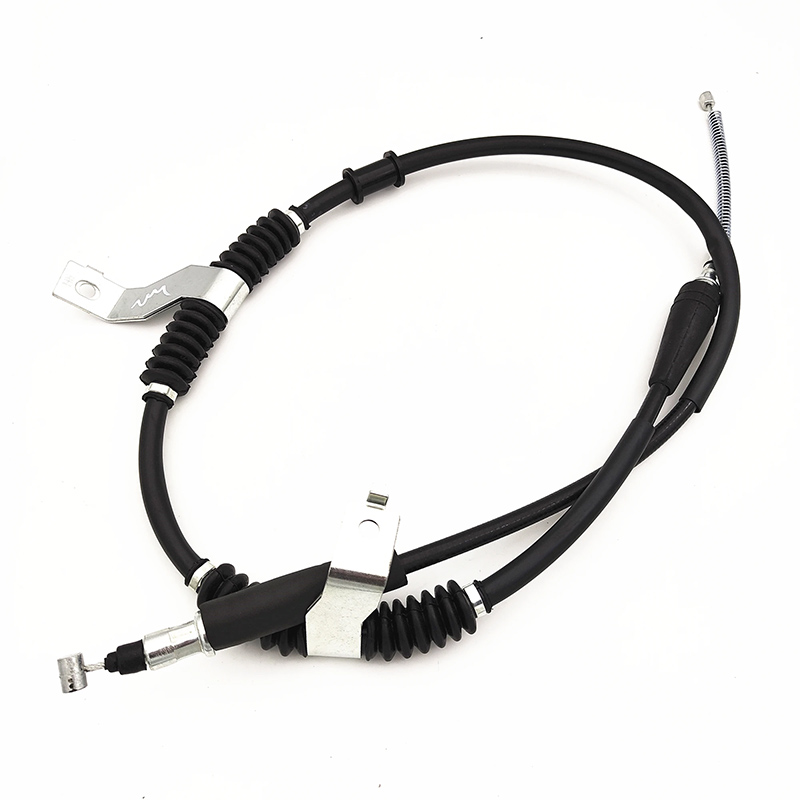
Evaluate the Complete Assembly, Not Just the Steel Core
A brake cable includes multiple functional components. Even when the inner steel wire meets the intended requirements, incorrect cable length, poorly matched fittings or damaged protective coverings can affect installation and operation.
For wholesale orders, buyers should establish clear product references, inspection criteria and sample approval requirements before confirming production batches.
| Inspection Item | What Buyers Should Check | Potential Risk |
|---|---|---|
| Dimensions | Overall length, sheath length and terminal positions | Incorrect installation or poor fitment |
| Steel wire core | Visible damage, strand condition and specified tensile performance | Premature wire damage or loss of function |
| Outer sheath | Cracks, deformation, surface damage and protective coverage | Increased exposure to dirt and moisture |
| End fittings | Shape, position, attachment and assembly consistency | Connection or installation problems |
| Operating movement | Smooth movement and return without abnormal binding | Restricted brake operation or incomplete release |
| Batch consistency | Comparison with the approved sample and product specifications | Variation between deliveries |
A Practical Procurement Approach
For repeated brake cable purchasing, maintaining an approved product reference and sample can help buyers compare subsequent batches more consistently. Inspection requirements should be agreed according to the product design, vehicle application and applicable testing specifications.
- Confirm the correct OEM reference and vehicle application before ordering.
- Check dimensional and connection details against the approved specification.
- Define the inspection method and acceptance criteria for important performance characteristics.
- Compare production samples and delivered batches for consistency.
- Verify packaging and product identification to reduce confusion during warehouse handling.
Frequently Asked Questions About Automotive Brake Cables
Find practical answers to common questions about parking brake cable selection, vehicle compatibility, installation, product inspection and wholesale purchasing. These explanations help automotive parts buyers and repair professionals make more informed decisions.
1. How can buyers identify the correct parking brake cable for a specific vehicle model?
Start with the vehicle make, model, production year and original equipment part number. Then verify the cable's overall length, terminal shapes, mounting brackets and installation position. Some vehicles have different cable configurations depending on their brake system or production version. Comparing the original cable with the replacement reference helps prevent incorrect orders. For aftermarket distributors, organizing products by verified OEM references and vehicle applications also makes inventory management more accurate.
2. What is the difference between a front parking brake cable and a rear parking brake cable?
In a mechanical parking brake system, a front cable generally connects the handbrake lever or pedal mechanism to an equalizer or intermediate connection. Rear cables transmit the pulling force toward the rear brake assemblies. Their lengths, terminal designs and mounting arrangements can differ. However, the exact configuration depends on the vehicle design, so buyers should use the original parts diagram or OEM reference rather than assuming that all front and rear cables are interchangeable.
3. Can a parking brake cable be used on both the left and right rear wheels?
Not necessarily. Some vehicle designs use different left-hand and right-hand rear cables because of their routing paths, lengths, brackets or end connections. Even when two cables look similar, their installation positions may not be interchangeable. Before purchasing rear parking brake cables in pairs, check the OEM references and confirm the left-right designation for the specific vehicle application.
4. What happens if a brake cable is too long or too short for the original installation?
A cable that is too short may be difficult to connect and can introduce excessive tension or an unsuitable routing path. A cable that is too long may create unwanted slack, interfere with surrounding components or prevent correct adjustment. The effective cable length, sheath length and terminal positions should all be checked against the original design. Buyers should not rely on overall length alone when evaluating a replacement automotive brake cable.
5. Why can a newly installed parking brake cable feel stiff during operation?
Stiff operation can result from incorrect routing, excessive bending, twisting, damaged protective coverings or unsuitable connections. It may also indicate problems elsewhere in the parking brake mechanism. During installation, check that the cable follows the specified path, the sheath is correctly secured and all moving components operate freely. If resistance remains, the complete parking brake system should be inspected rather than attempting to compensate by excessive adjustment.
6. How does a damaged outer sheath affect automotive brake cable performance?
The outer sheath protects the internal cable from environmental contamination and mechanical exposure. Cracks, cuts or damaged protective boots can allow moisture and dirt to enter, increasing the risk of corrosion and restricted movement. In cold or wet environments, contamination can also contribute to cable sticking or freezing. During inspection, pay attention to the full sheath length, exposed connection areas and sections close to mounting brackets.
7. What should repair workshops check after replacing a hand brake cable?
After replacement, technicians should verify the end connections, mounting clips, cable routing and protective boots. The cable should move smoothly without abnormal resistance or contact with surrounding components. The parking brake adjustment must follow the vehicle manufacturer's procedure. Finally, confirm that the brake engages and releases correctly and that the rear brakes do not remain applied. Appropriate brake performance testing should be completed before returning the vehicle to service.
8. What quality checks should importers perform before accepting a bulk brake cable shipment?
Importers should compare delivered products with the approved samples and purchasing specifications. Important checks include overall dimensions, terminal geometry, mounting brackets, sheath condition, visible wire damage and smooth cable movement. Where required by the product specification, tensile performance and durability should also be verified using appropriate test methods. Buyers should maintain clear inspection records and check that product identification and packaging correspond to the correct OEM references.
9. What information should distributors prepare when sourcing OEM replacement brake cables?
Distributors should organize OEM part numbers, vehicle applications, production years, left-right positions and product reference images. Existing samples or dimensional drawings can help clarify terminal shapes, mounting positions and cable routing. For a multi-model purchasing program, a structured reference list also helps prevent confusion between similar-looking products and supports more accurate quotation, sampling and order verification.
10. How should automotive parts wholesalers store brake cables before distribution?
Brake cables should be stored in a clean, dry environment away from excessive moisture, direct heat and damaging chemicals. Avoid crushing, sharply folding or placing heavy objects on the cable assemblies. Protective packaging should remain intact to reduce the risk of surface damage and contamination during storage and transportation. Product labels and OEM references should also remain clear so that different vehicle applications and cable positions are not mixed during warehouse handling.
Explore More Automotive Brake Components and Manufacturing Services
Explore related brake system products and learn more about our manufacturing and customization services for overseas automotive parts buyers.
Related Brake Components
Explore our brake system parts range, including brake discs, brake master cylinders, brake calipers and other braking components.
Explore Brake System Parts →OEM/ODM Manufacturing Services
Learn about our product development, manufacturing coordination and customization services for automotive brake components.
Explore OEM/ODM Services →