


Brake Drum
This Brake Drum is a vital friction component in drum brake systems, widely used for reliable wheel braking control. Offered in standard heavy-duty and reinforced high-load types to adapt to different working scenarios, Brake Drum is produced from high-performance pearlitic gray cast iron with precise casting and heat treatment, delivering exceptional heat resistance, high thermal conductivity and uniform hardness distribution. It features strong resistance to cracking, deformation and heat fade during prolonged heavy braking, with a smooth friction surface that ensures stable braking efficiency and low noise. Common specifications include outer diameters ranging from 220mm to 410mm, depth from 80mm to 180mm, hardness between HB180–240, and maximum working temperature up to 600℃. The optimized structural design enhances overall rigidity and load-bearing capacity, while strict dimensional processing guarantees perfect matching with brake shoes. Every unit passes dynamic balance, wear resistance and fatigue tests in line with international automotive standards. Brake Drum provides stable and safe braking output, reduces maintenance frequency and performs reliably under long-haul .


Brake Drum Structure and Working Principle
A brake drum provides the internal friction surface for a drum braking system. Its internal geometry, mounting dimensions and machining accuracy affect how the brake shoes contact the rotating drum.
How Does an Automotive Brake Drum Work?
During braking, hydraulic pressure activates the wheel cylinder, pushing the brake shoes outward against the inner cylindrical surface of the rotating brake drum. Friction between the shoes and drum converts wheel movement into heat, slowing the vehicle.
When hydraulic pressure is released, the return springs move the brake shoes away from the friction surface. The drum can then rotate freely with reduced friction.
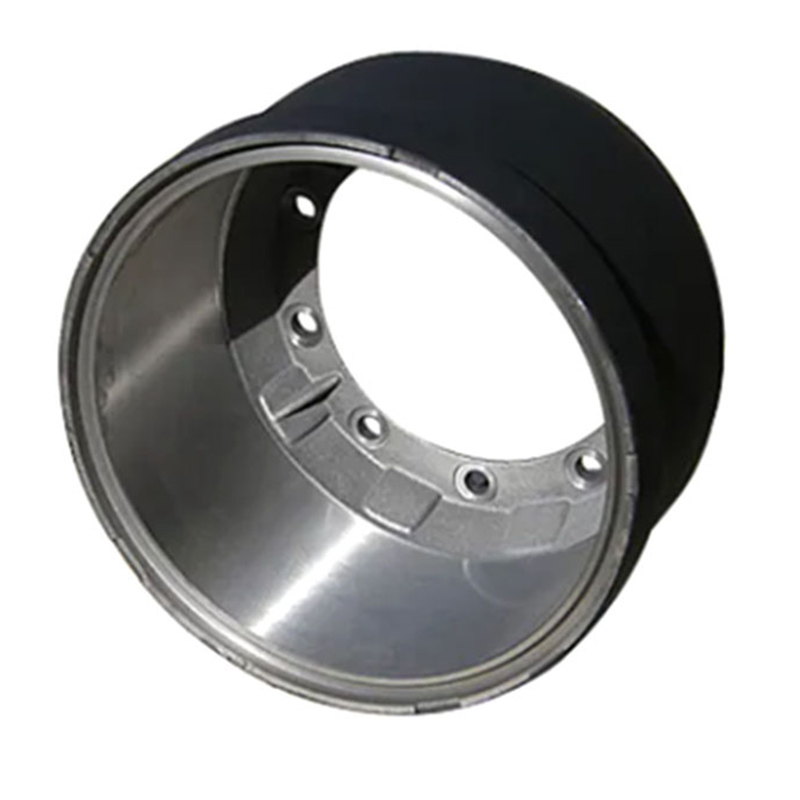
Main Structural Areas of a Brake Drum
Internal Friction Surface
The cylindrical inner surface contacts the brake shoe friction lining. Its diameter, surface condition and roundness are important for consistent contact.
Mounting Face
The mounting face connects the brake drum to the wheel hub. Its positioning and contact geometry affect installation accuracy.
Bolt Holes and Center Opening
Bolt-hole positions, bolt circle diameter and center pilot dimensions must correspond to the intended wheel hub configuration.
Drum Body and Outer Structure
The drum body provides structural support and absorbs heat generated during braking. Its material and wall geometry influence mechanical and thermal behavior.
Brake Drum Types for Different Vehicle Applications
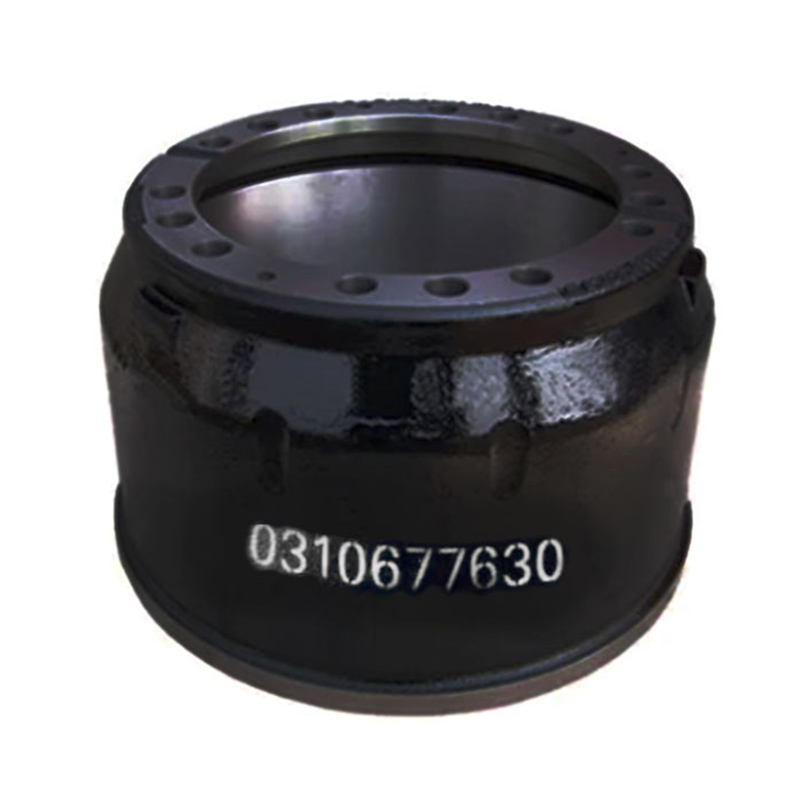
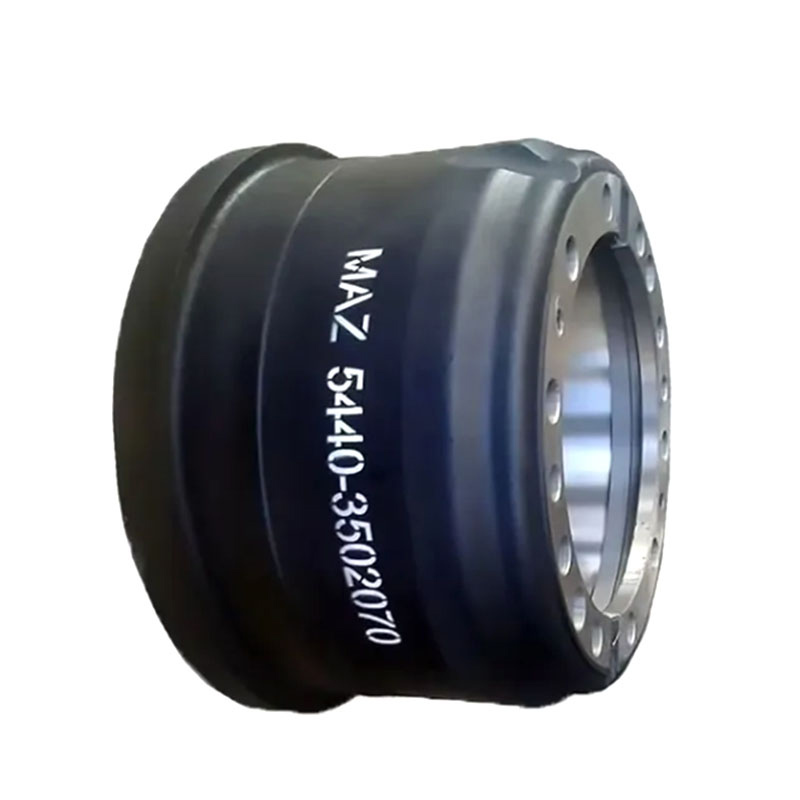
Automotive brake drums are designed around different vehicle configurations, axle layouts and braking loads. Understanding these differences helps distributors and importers organize suitable replacement product ranges.
Application-Based Brake Drum Selection
| Application | Main Selection Factors | Important Compatibility Checks |
|---|---|---|
| Passenger Cars | Vehicle-specific dimensions and braking configuration | Rear axle, hub and brake shoe profile |
| Light Commercial Vehicles | Vehicle load and replacement specifications | Mounting geometry and friction dimensions |
| Heavy-Duty Trucks | Axle configuration and braking duty | Bolt circle, center pilot and drum dimensions |
| Trailers | Axle and brake assembly configuration | Hub interface and brake shoe arrangement |
Brake Drum Materials and Manufacturing Considerations
Material composition, casting quality, heat treatment and machining accuracy all influence brake drum performance. Buyers should evaluate these factors together rather than selecting a brake drum based on material names alone.
Why Is Cast Iron Commonly Used for Brake Drums?
Cast iron is widely used in automotive brake drums because it offers a combination of castability, wear resistance, thermal characteristics and mechanical properties suitable for friction braking applications.
Different grades and compositions have different mechanical and thermal characteristics. The appropriate material should be determined according to the brake drum design, vehicle application, required performance and approved product specification.
Material Information to Confirm Before Ordering
Gray Cast Iron
Commonly used for brake drum applications because of its casting characteristics, thermal behavior and friction-related properties. Grade selection should follow the approved technical specification.
High-Grade Cast Iron
Different cast iron grades, such as HT250 and HT300, have different mechanical property requirements. Buyers should confirm the actual material grade for each product model.
Alloy-Modified Materials
Alloy additions or material modifications may be used to adjust mechanical and wear-related properties. Their suitability depends on the actual formulation and verified performance requirements.
Key Manufacturing Stages for Brake Drums
Material Preparation
Confirm the specified material grade and composition for the intended application.
Casting
Form the drum body according to the approved casting design and required dimensions.
Heat Treatment
Apply the specified treatment process where required by the material and product design.
Precision Machining
Machine the internal friction surface, mounting face and critical connection dimensions.
Final Inspection
Verify dimensional conformity, surface condition and applicable product inspection requirements.
Manufacturing stages are general technical references. The actual process and treatment requirements depend on the approved brake drum design and material specification.
Brake Drum Quality Inspection: What Should Buyers Check?
For automotive brake drum procurement, quality evaluation should cover material conformity, machining accuracy, dimensional consistency and structural condition. These checks help importers and distributors reduce fitment problems and product quality risks.
Why Does Dimensional Accuracy Matter?
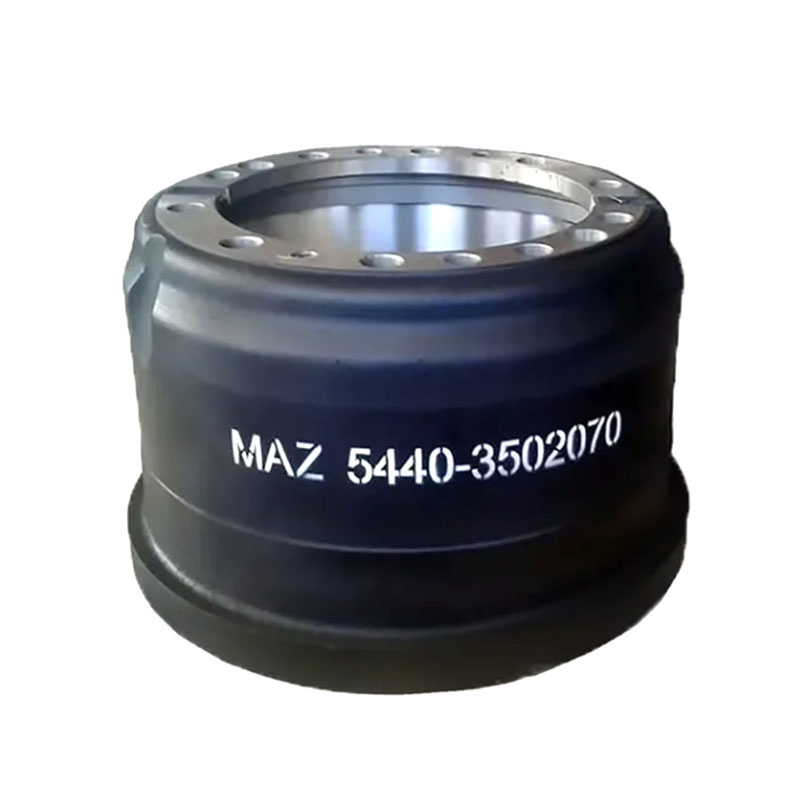
A brake drum may appear similar to another model but still differ in internal diameter, braking width, mounting position or bolt-hole arrangement.
Incorrect dimensions can cause installation difficulties, improper brake shoe contact and braking vibration. Critical dimensions should therefore be checked against approved drawings or original equipment specifications.
Dimensional Inspection
Check internal diameter, braking surface width, overall height, mounting face and bolt-hole positions against the approved drawing.
Roundness and Runout
Evaluate drum roundness and radial runout using suitable measuring equipment and the applicable product specifications.
Friction Surface Condition
Inspect the internal braking surface for scoring, irregular machining marks, excessive roughness and visible defects.
Material Verification
Verify the actual material grade and relevant material documentation against the agreed technical specification.
Casting Defect Inspection
Check for cracks, visible casting defects and other structural abnormalities that could affect component integrity.
Batch Consistency
Compare samples and production batches against the same approved dimensions, material requirements and inspection criteria.
Important inspection note: Brake drum machining limits and maximum permissible diameter must follow the vehicle manufacturer's specifications. Cracked drums should not be treated as ordinary machining defects. Always verify the applicable inspection and replacement requirements.
Frequently Asked Questions About Brake Drums
Practical answers for automotive parts importers, wholesalers, distributors and OEM buyers sourcing brake drums for vehicle replacement, maintenance and commercial supply programs.
1. How can distributors identify the correct brake drum when two models have similar external dimensions?
External appearance alone is not sufficient for identifying a compatible brake drum. Buyers should compare the internal diameter, braking surface width, overall height, bolt circle diameter, center pilot diameter and mounting face configuration. The original OE number is also important because different axle systems may use drums with similar external shapes but different mounting dimensions. For bulk aftermarket orders, we recommend confirming each model against its reference number and technical drawing before approving the product.
2. What brake drum specifications should truck and trailer parts importers compare before ordering?
For truck and trailer brake drums, important specifications include internal diameter, braking surface width, overall height, mounting bolt count, bolt-hole diameter, bolt circle diameter and center pilot dimensions. Material grade and the intended axle application should also be confirmed. Heavy-duty vehicle parts must match the original brake assembly rather than being selected according to approximate size. Providing an OE number or dimensional drawing helps reduce incorrect fitment during procurement.
3. Why is brake drum internal diameter important when selecting replacement brake shoes?
The internal diameter determines the working space available for the brake shoes and affects their contact relationship with the drum. If the drum and shoe dimensions are incompatible, contact may become uneven, potentially resulting in abnormal wear, noise or inconsistent braking. Buyers should compare the drum's internal diameter, braking width and shoe profile with the original vehicle specifications. When replacing a worn brake drum, the condition and compatibility of the existing brake shoes should also be checked.
4. What material should buyers choose for brake drums used in frequently loaded commercial vehicles?
Material selection should consider vehicle load, braking frequency, operating temperature, wear requirements and the original equipment specification. Gray cast iron is commonly used in brake drum applications because of its casting and thermal characteristics. However, different grades have different mechanical properties. Buyers should confirm the specified grade, relevant material documentation and product design rather than assuming that a higher material grade automatically provides better performance in every application.
5. Can a brake drum that has developed surface grooves or heat spots still be used?
Not every surface defect has the same consequence. Light surface irregularities may require further dimensional assessment, while deep scoring, cracks, excessive wear or hardened hot spots can make a drum unsuitable for continued use. The drum diameter and radial runout should be measured and compared with the vehicle manufacturer's service limits. Machining should only be considered when permitted by the applicable specifications and sufficient material remains. A cracked drum should be replaced rather than repaired through routine machining.
6. What should buyers check when sourcing brake drums for vehicles operating under frequent braking conditions?
Frequent braking creates repeated thermal cycles and friction loads. Buyers should pay particular attention to the specified material, drum geometry, wall design, machining accuracy and applicable thermal performance requirements. For commercial vehicles, axle configuration and actual operating conditions also matter. A brake drum should be evaluated as part of the complete braking assembly, including the brake shoes and wheel cylinder. Product selection should follow the original equipment or approved engineering specification.
7. How should automotive parts wholesalers manage multiple brake drum models in one purchase order?
A clear product reference list is important when purchasing multiple brake drum models. Each item should have a corresponding OE number, vehicle application, approved drawing and dimensional specification. Different axle positions and hub configurations should be identified separately to avoid mixing similar-looking products. Buyers should also establish consistent material and inspection requirements for repeat orders. This makes warehouse identification, inventory management and aftermarket replacement distribution easier.
8. Which quality records should importers request before approving a bulk brake drum shipment?
Depending on the agreed product requirements, buyers may request material specifications, dimensional inspection records, relevant test reports and product identification information. Particular attention should be given to internal diameter, mounting dimensions, radial runout and surface condition. For repeated procurement, the approved sample and production specification should remain consistent across batches. Management system certificates should be checked separately from product-specific inspection records because they serve different purposes.
9. Can JUNZE customize brake drums according to customer drawings or existing samples?
Yes. We provide OEM/ODM customization services for automotive brake components based on customer drawings, physical samples and vehicle model parameters. For brake drum projects, the technical information can be used to review product dimensions, mounting configuration, material requirements and other agreed specifications. The feasibility and manufacturing details are confirmed according to the specific product and project scope before production.
10. What should an importer evaluate when choosing a long-term brake drum manufacturer?
A long-term supplier should be evaluated through product compatibility, material specifications, machining accuracy, quality documentation and communication efficiency. Buyers should also consider whether the manufacturer can support different product references, drawing-based customization and consistent specifications for repeat orders. We support overseas automotive parts buyers through our brake component product range and OEM/ODM services, helping customers discuss suitable product specifications and manufacturing arrangements for their markets.
Explore Related Brake Components and OEM/ODM Services
Explore our related automotive brake components and customized manufacturing services for aftermarket distribution, wholesale purchasing and vehicle-related projects.
Brake Shoes
Explore brake shoes designed to work with drum braking systems.
Explore Brake Shoes →Brake System Parts
Browse brake discs, master cylinders, calipers and other automotive brake components.
Explore Brake Components →OEM/ODM Services
Learn about customized brake component development based on drawings, samples and vehicle parameters.
Explore OEM/ODM →Looking for a Brake Drum Supplier for Your Automotive Parts Business?
We support overseas automotive parts buyers with brake component products and OEM/ODM customization services. Contact us to discuss brake drum specifications, product compatibility and potential cooperation.
Contact JUNZE