


Brake System Parts
Strictly manufactured and tested in line with international automotive safety standards, these parts feature precise matching, stable force transmission and long service life. As a complete set of brake system solutions, they ensure sensitive braking response, consistent braking force and high driving safety for various vehicles.
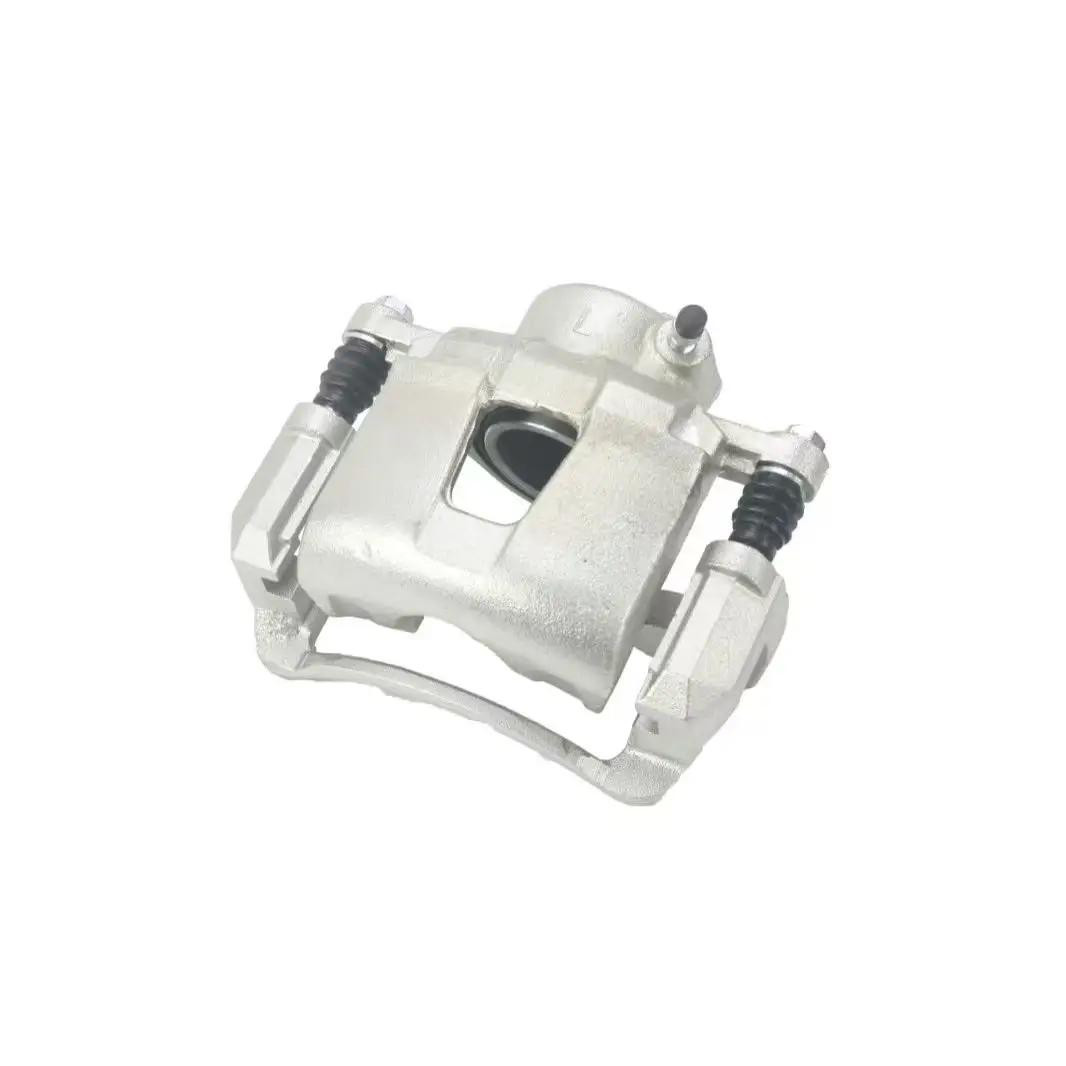
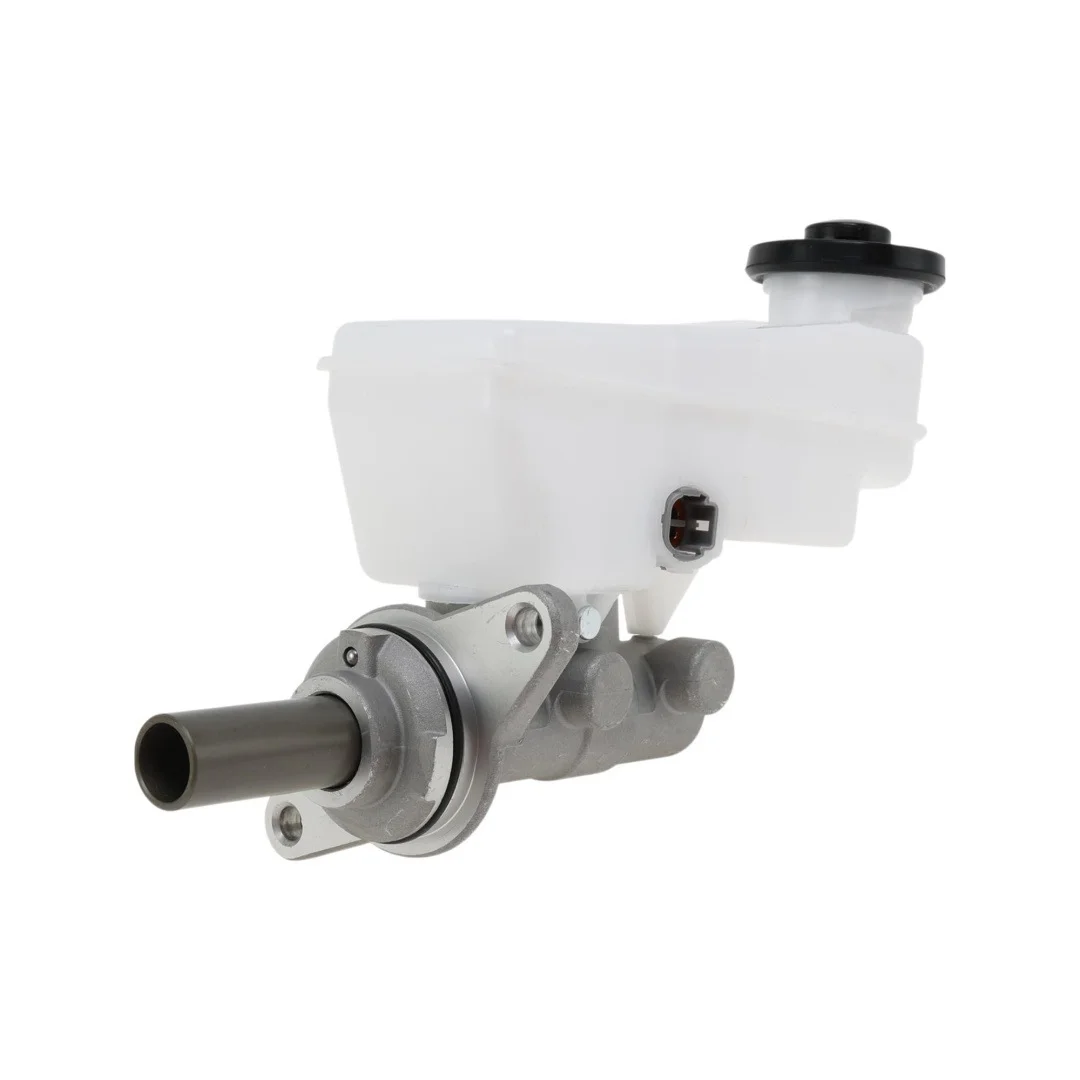
Disc Brake vs. Drum Brake: Understanding the Main Differences
Disc brakes and drum brakes use different friction mechanisms and components. Understanding their structures helps automotive parts distributors and buyers select compatible brake system parts for different vehicle applications.
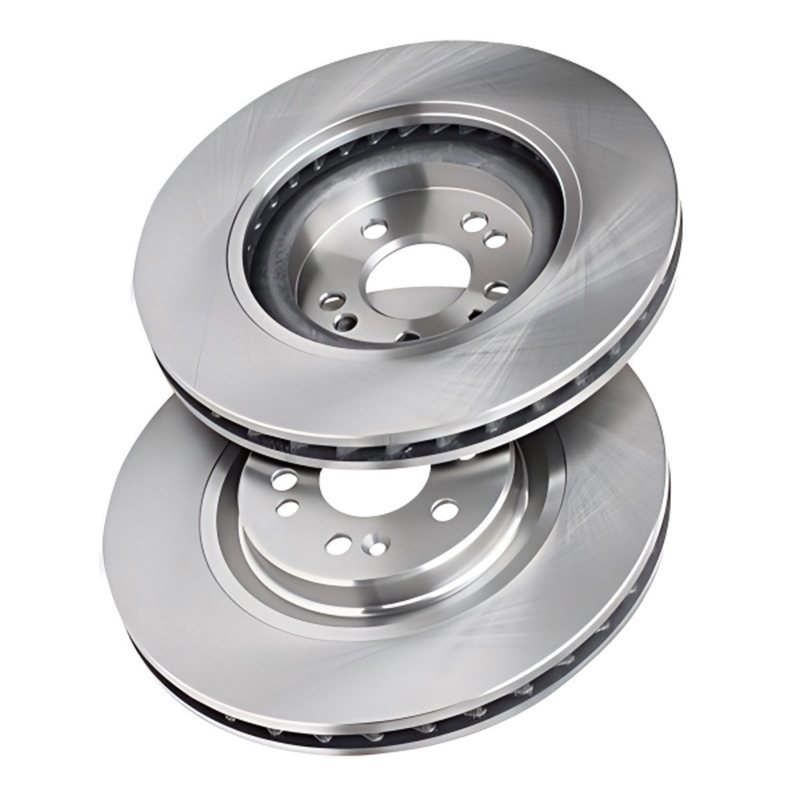
Disc Brake System
A disc brake system uses a rotating brake disc and a caliper assembly to generate friction. When hydraulic pressure reaches the caliper, its pistons push the brake pads against the rotating disc, slowing the wheel.
- Brake Disc: Provides the rotating friction surface.
- Brake Caliper: Holds and applies pressure to the brake pads.
- Brake Pads: Generate friction against the disc.
- Brake Master Cylinder: Supplies hydraulic pressure to the system.
Typical consideration: Disc brake components are selected according to rotor dimensions, caliper mounting geometry, pad shape and vehicle-specific braking requirements.
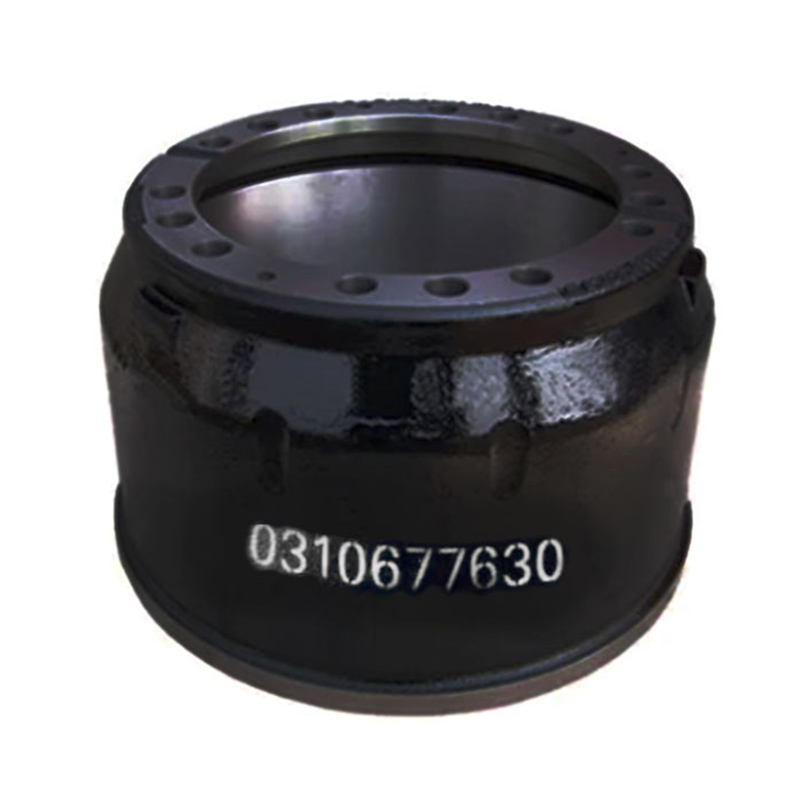
Drum Brake System
A drum brake system uses brake shoes positioned inside a rotating brake drum. Hydraulic pressure operates the wheel cylinder, pushing the shoes outward against the inner drum surface to create friction and slow the wheel.
- Brake Drum: Provides the internal friction surface.
- Brake Shoes: Carry friction material and press against the drum.
- Wheel Cylinder: Pushes the brake shoes outward.
- Return Springs: Help retract the shoes after braking.
Typical consideration: Drum brake replacement requires attention to drum diameter, shoe profile, mounting dimensions and wheel cylinder compatibility.
| Comparison | Disc Brake | Drum Brake |
|---|---|---|
| Main friction parts | Disc and brake pads | Drum and brake shoes |
| Actuating component | Brake caliper | Wheel cylinder |
| Friction location | Outside disc surfaces | Inside drum surface |
| Replacement focus | Rotor, pad and caliper compatibility | Drum, shoe and wheel cylinder compatibility |
Both systems remain relevant in automotive applications. The correct replacement parts depend on the original vehicle braking configuration rather than a general preference for one system.
How Automotive Brake System Components Work Together
Automotive brake components perform different functions within the braking system. Understanding their relationships helps buyers source compatible replacement parts and organize complete product ranges for aftermarket distribution.
Hydraulic Brake Force Transmission
Driver input
Generates hydraulic pressure
Transmit brake fluid pressure
Applies friction to slow the wheel
This is a simplified hydraulic braking sequence. Actual vehicle systems may include ABS hydraulic control units, proportioning devices, boosters and additional electronic controls.
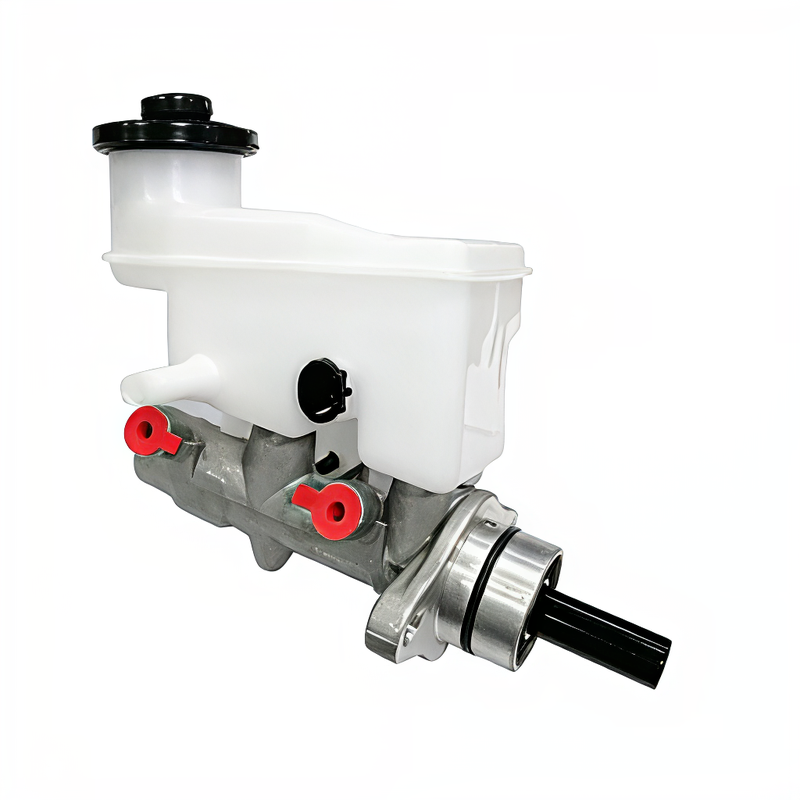
Brake Master Cylinder
Converts the force applied to the brake pedal into hydraulic pressure. Piston design, bore dimensions, mounting points and fluid port positions are important replacement considerations.
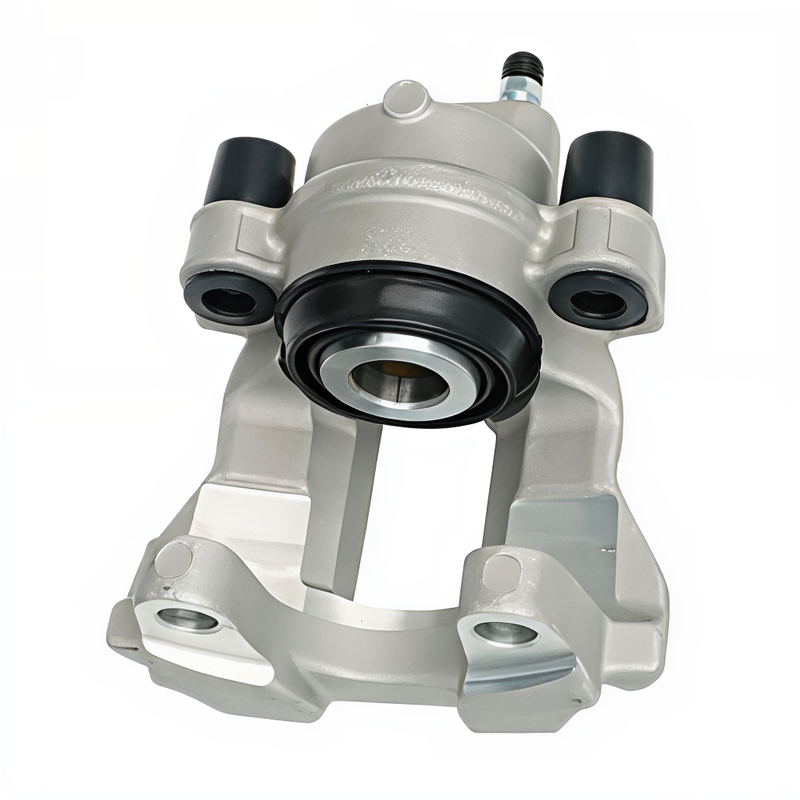
Brake Caliper
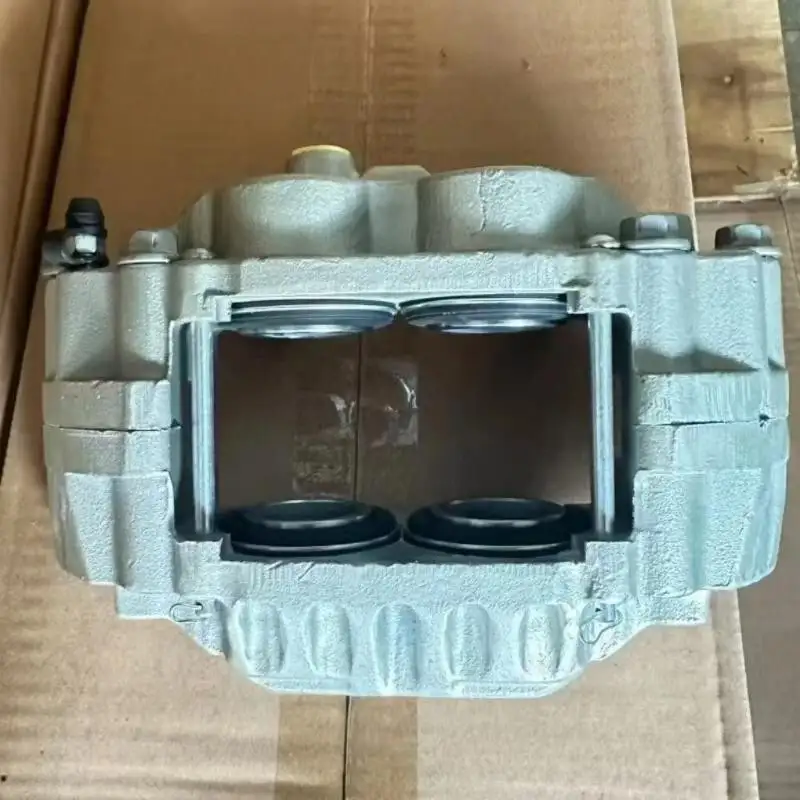
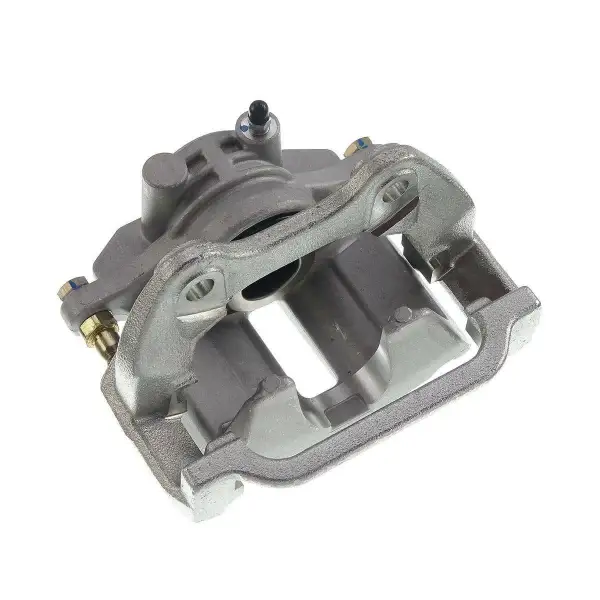
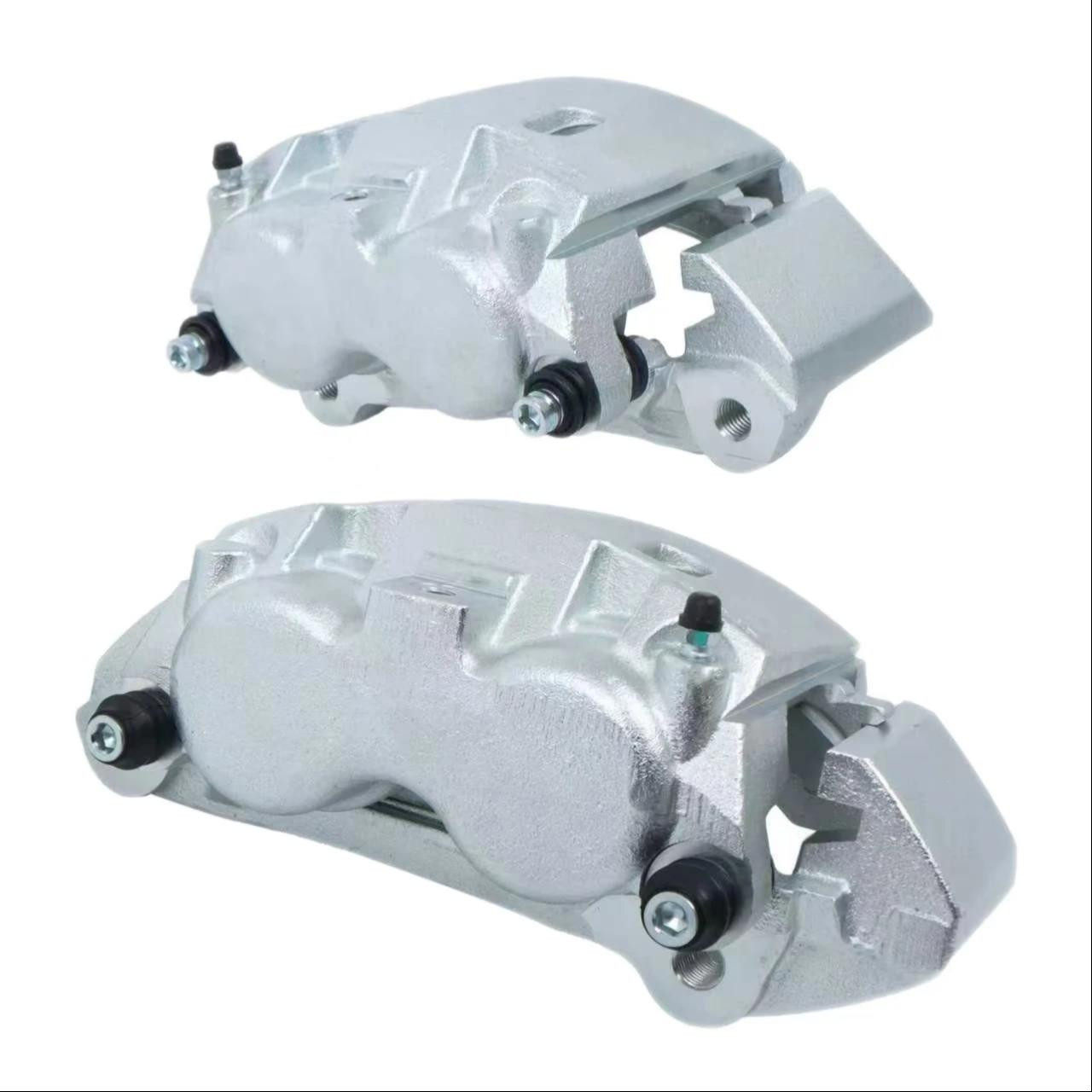
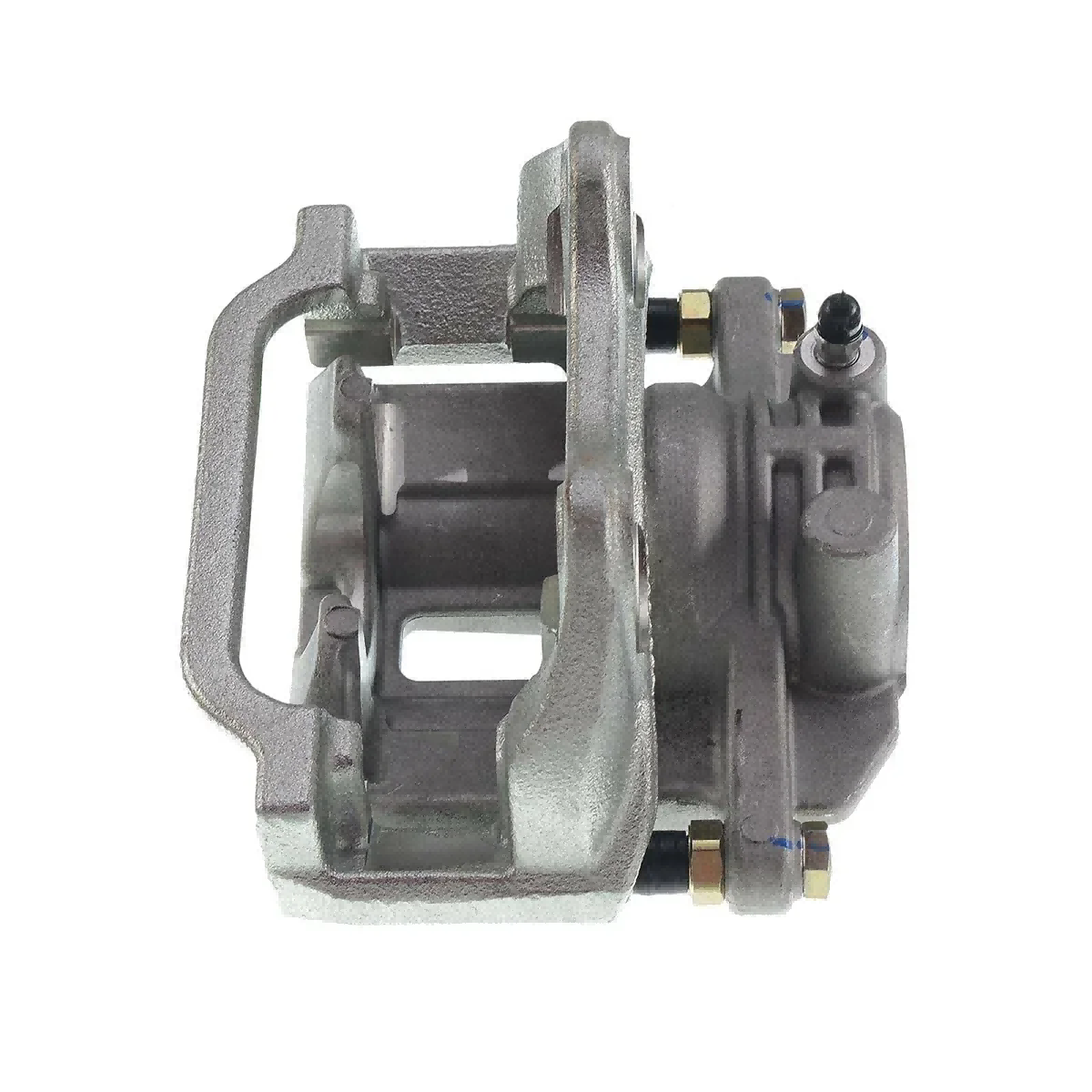
Uses hydraulic pressure to apply force to the brake pads. Caliper body configuration, piston arrangement and mounting geometry must match the vehicle application.
Mechanical Brake Cable and Parking Brake Operation
A brake cable performs a different function from a hydraulic brake hose. It transmits mechanical pulling force, commonly within a parking brake mechanism. The cable core, outer protective sheath, effective length, end fittings and routing arrangement determine whether it can operate correctly in a particular vehicle.
When sourcing automotive brake cables, compare the original part number, cable length, mounting points, end connections and adjustment arrangement. A cable that looks similar externally may not provide the correct fit or operating travel.
Brake Parts Materials and Specifications: What Should Buyers Check?
Material selection and dimensional accuracy directly influence the suitability of automotive brake replacement parts. For bulk purchasing, specifications should be evaluated together with vehicle fitment, operating conditions and product construction.
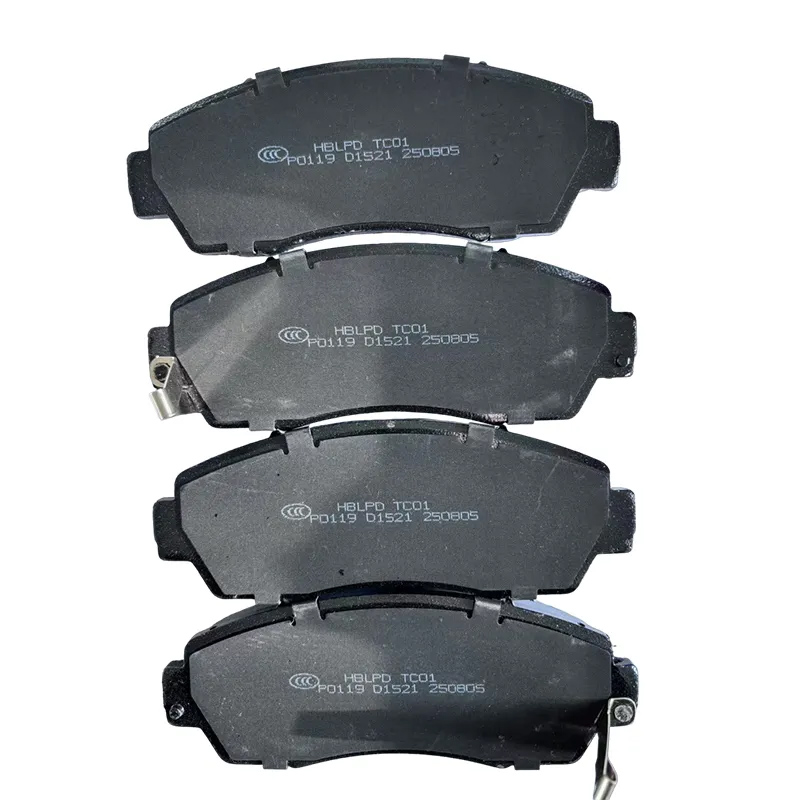
1. Brake Pad Friction Materials
Brake pads are available in different friction material formulations, including ceramic and semi-metallic types. Their characteristics vary in terms of noise, dust generation, friction behavior, wear and suitability for different vehicle applications.
When selecting brake pads, buyers should consider the required friction specification, backing plate dimensions, pad shape, thickness and compatible brake disc. Material names alone are not enough to establish interchangeability.
2. Brake Disc Material and Construction
Brake discs are commonly manufactured from cast iron materials, with construction and dimensions selected according to the vehicle's braking requirements. JUNZE product information includes vented and solid brake disc configurations and materials such as HT250, G3000 and G3500 for listed products.
Buyers should check outside diameter, thickness, center bore, bolt pattern, overall height and solid or ventilated construction. Surface finish, machining accuracy and balance are also important inspection considerations.
3. Brake Drum Material and Dimensional Accuracy
Brake drums require suitable material strength, thermal performance and accurate machining. Our listed brake drum product information includes HT250, HT300, G3000 and G3500 material options.
For replacement procurement, check the drum's internal diameter, braking surface width, overall height, bolt circle, center pilot hole and mounting configuration. These dimensions must match the intended axle and vehicle application.
Important Specification Checks for Different Brake Parts
| Product | Key Specifications | Compatibility Focus |
|---|---|---|
| Brake Disc | Diameter, thickness, bore, bolt pattern | Wheel hub and caliper configuration |
| Brake Drum | Internal diameter, width, mounting dimensions | Axle and brake shoe dimensions |
| Brake Pad | Friction material, thickness, shape | Caliper and disc configuration |
| Brake Caliper | Piston arrangement, mounting points, body material | Vehicle mounting and hydraulic connections |
| Master Cylinder | Bore diameter, port positions, reservoir interface | Hydraulic circuit and pedal system |
| Brake Cable | Length, end fittings, sheath and cable travel | Parking brake mechanism and routing |
How to Evaluate Automotive Brake Parts Quality Before Bulk Purchasing
For importers, wholesalers and aftermarket distributors, evaluating brake parts requires more than checking product appearance. Dimensional consistency, material traceability, functional performance and batch documentation all deserve attention before approving a supplier.
Dimensional Inspection
Verify critical dimensions against approved drawings or original equipment specifications. Pay attention to mounting holes, thickness, diameters and connection interfaces.
Material Verification
Check whether the material grade and friction formulation match the approved product specification. Request relevant material documentation when required.
Machining and Surface Quality
Inspect friction surfaces, machining finishes, casting condition and potential defects that may affect fitment or component operation.
Functional Testing
Determine the appropriate functional inspection for each product, such as hydraulic pressure and sealing checks, mechanical operation or brake friction performance testing.
Batch Consistency
Compare samples and production batches against the same approved specifications. Consistent dimensions and material characteristics are important for repeat orders.
Packaging and Traceability
Check product identification, part numbers, protective packaging and batch records. These details help distributors manage warehouse inventory and aftermarket replacement orders.
What Should You Confirm With a Brake Parts Supplier?
Before placing a bulk order, confirm the applicable product specifications, reference numbers, inspection requirements, packaging details and available quality documentation. For OEM replacement programs, make sure the approved samples and production specifications remain consistent throughout repeat orders.
Frequently Asked Questions About Automotive Brake System Parts
Practical answers for automotive parts importers, distributors, wholesalers and OEM buyers sourcing brake components for replacement, maintenance and vehicle production.
1. How can automotive parts distributors choose between solid and ventilated brake discs?
The choice depends on the original vehicle configuration, braking load, disc dimensions and heat management requirements. Solid brake discs have a single continuous friction body, while ventilated discs contain internal air passages that help dissipate heat. Buyers should first verify the original disc type, outside diameter, thickness, center bore and mounting specifications. A ventilated disc should not be treated as a direct replacement for a solid disc unless the vehicle manufacturer or approved engineering specification allows the change.
2. Which brake pad material is more suitable for an aftermarket replacement program: ceramic or semi-metallic?
Ceramic and semi-metallic brake pads have different friction characteristics and operating behaviors. Ceramic formulations are often selected for applications where noise and dust characteristics are important. Semi-metallic formulations may be selected for applications requiring particular friction and thermal performance. Neither material is universally suitable for every vehicle. We offer brake pad products with ceramic and semi-metallic material options in our listed product range. Buyers should confirm friction specifications, pad geometry, backing plate dimensions and vehicle compatibility before selecting a replacement range.
3. Can the same brake drum be used for different truck or commercial vehicle models?
Not necessarily. Brake drums must match the axle configuration, brake shoe dimensions, internal diameter, braking surface width, mounting holes and wheel hub arrangement. Even when two drums look similar, differences in offset, bolt circle or center pilot dimensions may prevent correct installation. For truck and trailer replacement programs, buyers should provide the original part number and dimensional drawing. Our listed brake drum products include different material and specification options, so compatibility should be confirmed against the intended vehicle application.
4. What information should buyers provide when sourcing a replacement brake master cylinder?
Important information includes the original part number, vehicle make and model, model year, engine or chassis configuration when relevant, master cylinder bore diameter, mounting hole spacing, fluid port positions and reservoir connection design. Buyers should also check whether the application requires a tandem or another specific cylinder configuration. These details help prevent mismatches in hydraulic circuit design, installation dimensions and brake pedal operation.
5. What should be checked when replacing a brake caliper on a passenger car?
Check the left or right installation position, front or rear axle application, caliper mounting dimensions, piston configuration, brake hose connection and compatible pad shape. The caliper must also match the rotor dimensions and vehicle-specific hydraulic system. For floating and fixed calipers, the mounting structure and operating mechanism are different. Buyers should not select a replacement solely by external appearance or approximate dimensions.
6. Should brake drums and brake shoes be purchased as a matched replacement set?
It is advisable to check both components together because the brake shoes must match the drum's internal diameter, width and contact geometry. When replacing a worn drum, inspect the brake shoes and associated hardware for wear, uneven contact or damage. Installing incompatible friction components can result in poor contact, noise and inconsistent braking. For distributors stocking both product types, maintaining matching vehicle application and part number records helps reduce aftermarket fitment problems.
7. How can buyers reduce incorrect fitment when purchasing multiple brake part numbers in one order?
Establish a part-number and vehicle-application list before confirming the order. Each item should have a corresponding drawing, sample, OE reference or verified dimensional specification. Pay particular attention to front and rear axle differences, left and right positions, disc thickness, drum dimensions, caliper mounting points and master cylinder interfaces. We can review customer drawings, samples and vehicle model parameters as part of our OEM/ODM customization process to help clarify product specifications before production.
8. What quality documents should an importer request before approving a bulk brake parts shipment?
The documentation depends on the product category and destination market. Buyers can request applicable material specifications, dimensional inspection records, relevant functional or performance test reports, product identification records and available management system certificates. For friction components, confirm the applicable friction performance and material documentation. For hydraulic components, check the relevant pressure and sealing inspection requirements. Always verify that the documents apply to the actual product model and production batch rather than relying on a general company certificate.
9. Can brake system parts be customized for an automotive brand or aftermarket distributor?
Yes. We provide OEM/ODM customization services for brake components based on customer drawings, physical samples and vehicle model parameters. Depending on the product and confirmed project scope, customization can involve product specifications, development and processing requirements, brand identification and packaging. Buyers should confirm the technical feasibility, applicable specifications, sample approval process and production arrangements before starting a customized order.
10. What should distributors evaluate when choosing a long-term automotive brake parts supplier?
Evaluate more than the initial quotation. Important factors include product range, technical communication, fitment accuracy, quality documentation, production arrangements, packaging options and the ability to support repeat orders. You should also confirm whether the supplier can handle the specific brake components and vehicle applications required by your business. At JUNZE, we support OEM/ODM projects based on drawings, samples and vehicle parameters, helping overseas buyers organize customized brake component procurement.
Explore Our Automotive Brake Products and OEM/ODM Services
We support overseas automotive parts buyers with brake component products and customized manufacturing services. Explore the relevant product information and learn more about our business.
Looking for customized automotive brake components for your aftermarket distribution or OEM project? We can work with your drawings, samples and vehicle model parameters to discuss suitable product solutions.
Explore Our OEM/ODM Services →