


Brake Caliper
This Brake Caliper is a key executing component in the disc brake system, responsible for clamping the brake disc to achieve efficient vehicle deceleration and parking. Available in floating caliper, fixed caliper and brake caliper with integrated parking brake structure to meet different braking system demands, Brake Caliper is forged from high-strength cast iron or aluminum alloy, featuring excellent rigidity, stable performance and strong resistance to high-temperature deformation. It is equipped with high-precision pistons, wear-resistant sealing rings and dustproof boots, ensuring smooth piston movement, reliable sealing and long service life. The optimized flow channel design ensures stable hydraulic transmission, while the robust structure effectively absorbs vibration and reduces braking noise. Each product undergoes strict pressure testing, fatigue testing and salt spray testing to meet international automotive safety standards. Suitable for passenger cars, commercial vehicles, buses and modified vehicles, Brake Caliper delivers stable and consistent braking force, quick response and excellent durability in various road and driving conditions.
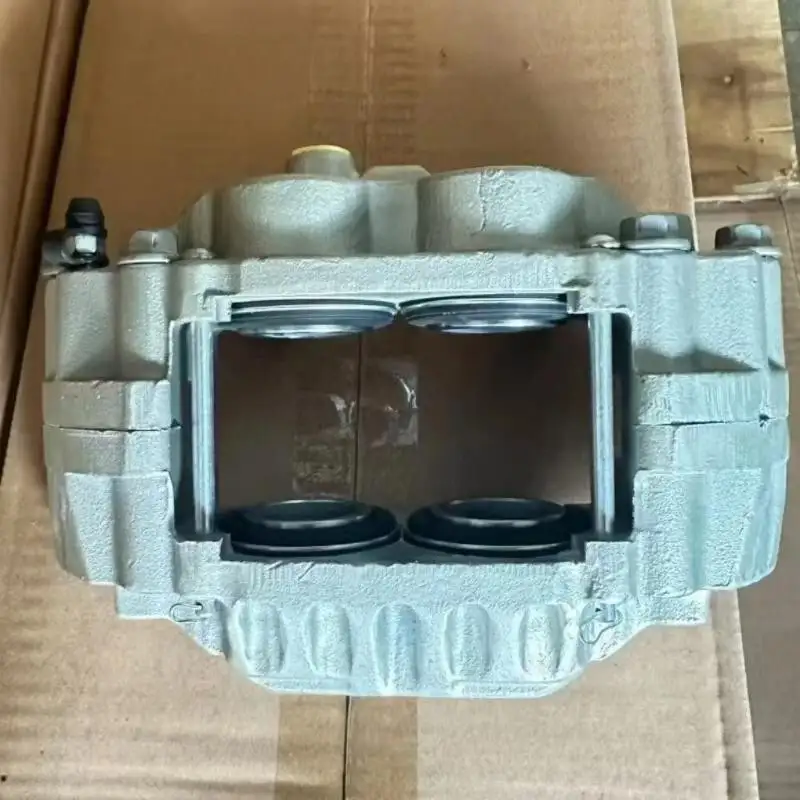
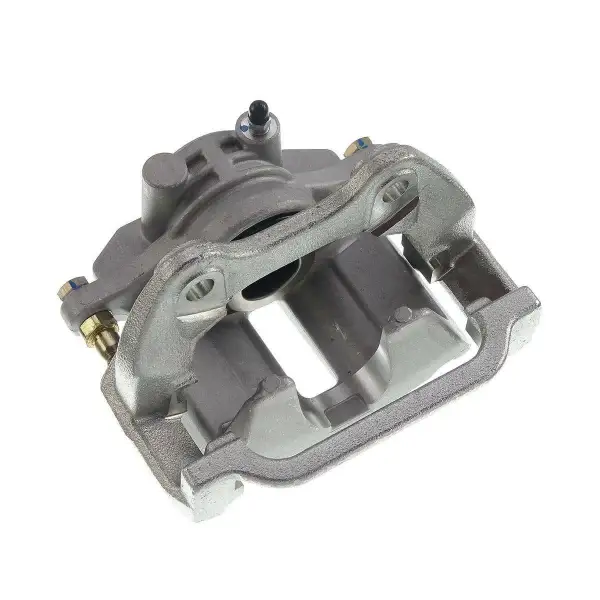
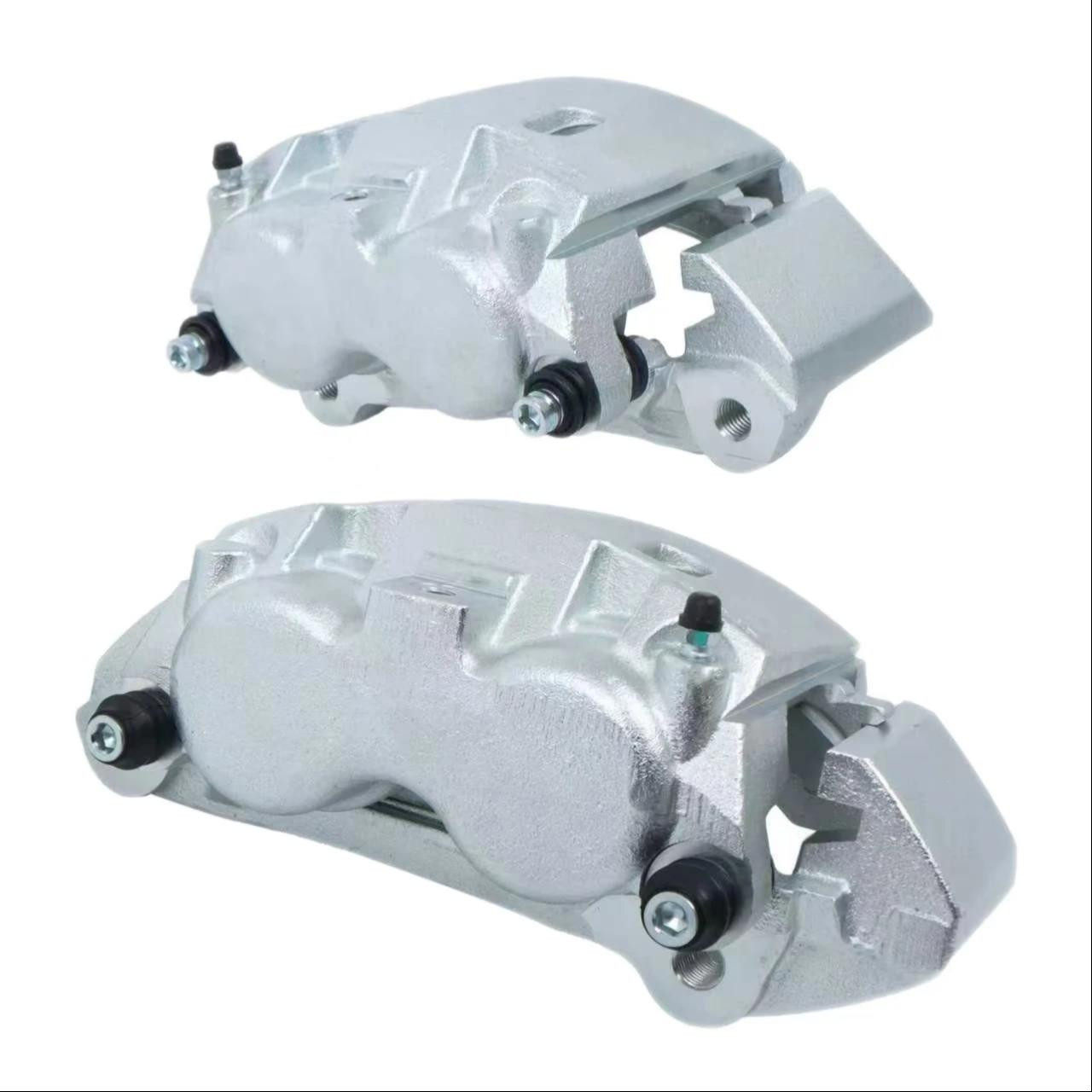
Different Types of Automotive Brake Calipers and Their Structures
Automotive brake calipers are available in different configurations to match vehicle braking systems. Understanding the differences between floating, fixed and electronic parking brake calipers helps distributors and OEM buyers select suitable products for their vehicle applications.
| Caliper Type | Main Structure | Key Selection Consideration |
|---|---|---|
| Floating Caliper | Sliding body with piston arrangement on one side | Guide pin movement, piston configuration and mounting geometry |
| Fixed Caliper | Rigid housing with opposing pistons | Piston quantity, disc dimensions and mounting structure |
| EPB Caliper | Caliper with integrated electronic parking brake actuator | Actuator configuration, electrical connection and vehicle system compatibility |
Note: EPB describes an integrated parking brake function, while floating and fixed describe caliper mounting and movement structures. These are different classification dimensions.
Brake Caliper Components and How They Work
A brake caliper assembly combines a housing, pistons, seals and supporting components to convert hydraulic pressure into braking force. Understanding these parts helps automotive buyers evaluate product construction, replacement requirements and component compatibility.
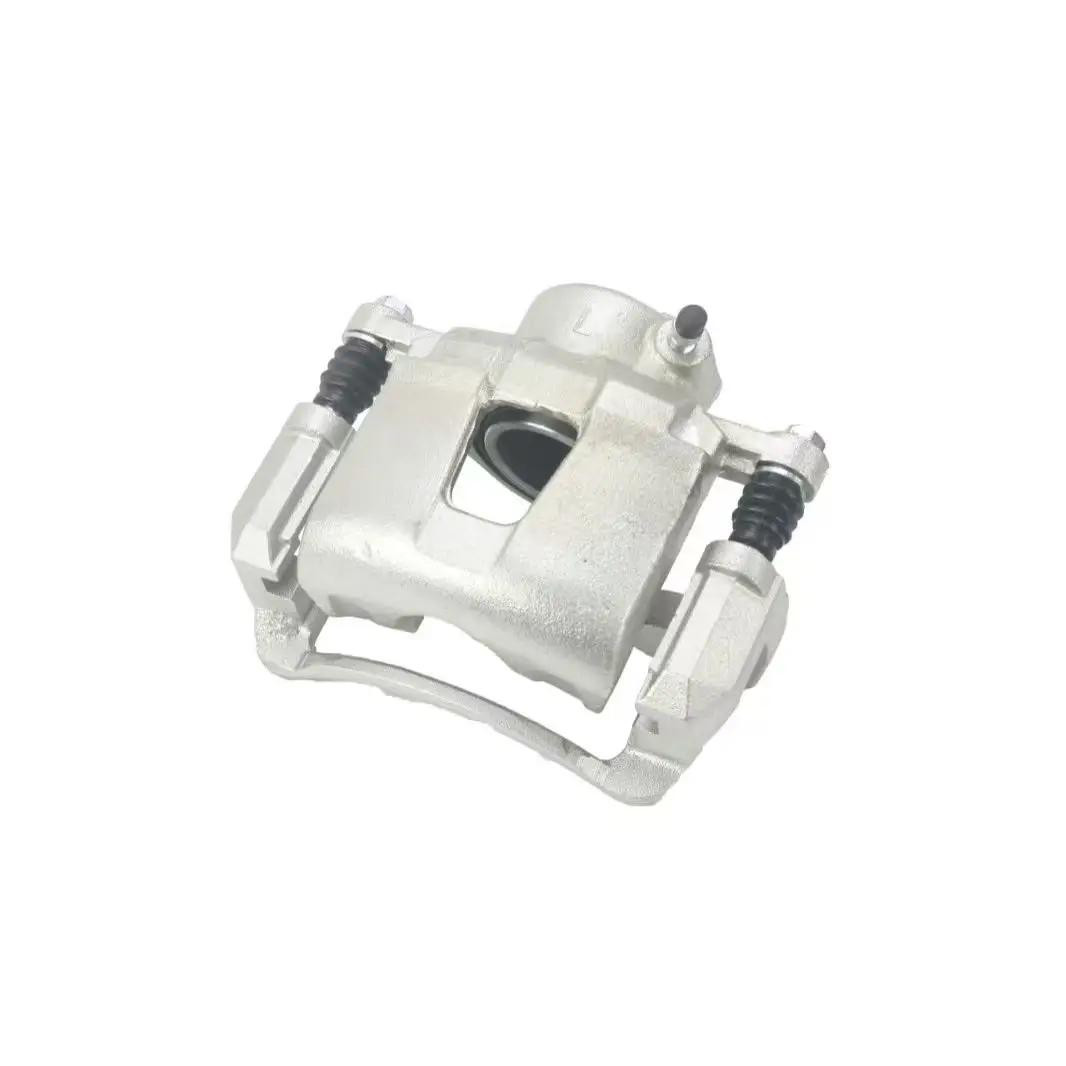
Main Components of a Brake Caliper
Each component has a specific function in the braking process. Their dimensions, material properties and assembly accuracy influence how the caliper operates within the disc brake system.
Caliper Body
The main housing supports the piston assembly and brake pads while providing the structural strength needed to withstand braking loads.
Brake Piston
The piston moves under hydraulic pressure and transfers force to the brake pad, pressing it against the rotating disc.
Piston Seals and Dust Boots
Sealing rings help prevent brake fluid leakage, while dust boots protect exposed areas from dirt, moisture and other contaminants.
Guide Pins and Sliding Components
In floating caliper designs, guide pins allow the caliper body to move relative to its bracket, helping both brake pads contact the disc.
How Does a Hydraulic Brake Caliper Work?
Brake fluid pressure reaches the caliper through the hydraulic line.
Hydraulic pressure pushes the piston outward toward the brake disc.
The caliper applies pressure to the brake pads on both sides of the disc.
Friction between the pads and disc reduces wheel rotation speed.
How to Select the Right Automotive Brake Caliper
Selecting a replacement brake caliper requires more than matching its external appearance. Automotive distributors, repair networks and OEM buyers should verify vehicle fitment, installation dimensions, piston configuration and hydraulic connections before confirming bulk orders.
Vehicle Application
Confirm the vehicle make, model, production year, engine or chassis configuration where relevant, and intended axle position.
Caliper Structure
Identify whether the original braking system uses a floating or fixed caliper, or an integrated electronic parking brake design.
Piston Configuration
Check piston quantity, bore dimensions and arrangement. Single-piston and multi-piston calipers are not interchangeable without engineering confirmation.
Mounting Dimensions
Verify mounting hole spacing, bracket configuration, caliper position and clearance around the brake disc and wheel assembly.
Hydraulic Connections
Check the brake hose connection, fluid inlet position, thread specification and bleeding port arrangement.
Material and Assembly
Confirm the specified caliper body material, included hardware, piston and seal configuration, and whether the product is supplied as a complete assembly.
Brake Caliper Replacement Compatibility Checklist
| Item to Verify | Information to Check |
|---|---|
| OE Reference | Original equipment part number and replacement reference |
| Installation Position | Front or rear axle, left or right side |
| Brake Disc | Disc diameter, thickness and caliper clearance |
| Piston System | Piston number, bore and arrangement |
| Mounting Interface | Mounting hole spacing, bracket and connection geometry |
| Hydraulic Interface | Brake hose inlet, thread and fluid connection |
For aftermarket replacement programs, matching the original part number, approved drawings and physical samples is more reliable than selecting a brake caliper based only on visual similarity.
Automotive Brake Caliper Applications for Different Vehicles
Different vehicles have different braking loads, installation dimensions and operating requirements. Our brake caliper product range covers passenger car and commercial vehicle applications, with product configurations selected according to the original braking system.
Passenger Cars, Sedans and SUVs
Passenger car brake calipers must match the vehicle's original disc dimensions, mounting points, piston configuration and brake hose connection. Our listed floating caliper products are designed for sedan, SUV and MPV replacement applications.
Buses and Commercial Vehicles
Commercial vehicle brake calipers need to match the vehicle's axle and disc brake configuration. JUNZE lists heavy-duty cast iron brake calipers for city buses, shuttle buses and other commercial vehicles using disc brakes.
Complete Brake Caliper Assemblies for Replacement Programs
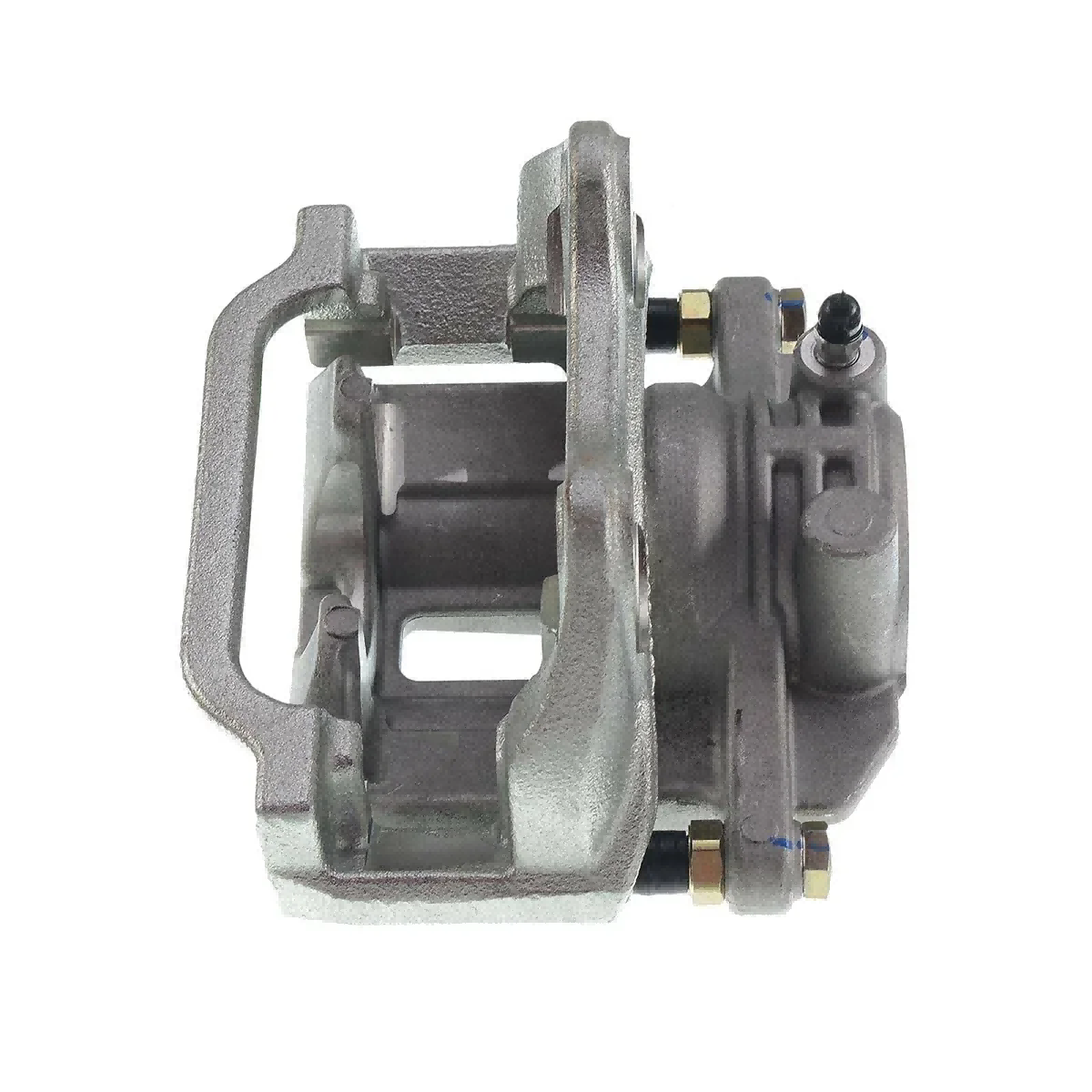
For buyers sourcing complete replacement units, a brake caliper assembly with pre-installed brake pads can simplify parts management and reduce the number of separately sourced components.
Our listed passenger car assembly features a cast iron caliper body, single-piston floating structure and matched brake pads. Product information also specifies inspection of piston movement, slide pin operation and leak-free sealing.
Buyers should confirm the vehicle application, OE reference, included components and installation dimensions before approving the replacement assembly.
Frequently Asked Questions About Automotive Brake Calipers
These answers address common questions from automotive parts importers, distributors, repair networks and OEM buyers when sourcing brake calipers for vehicle replacement and manufacturing programs.
1. How should distributors choose between floating and fixed brake calipers for replacement orders?
The first consideration should be the original vehicle braking system. A floating caliper uses a sliding body to apply pressure to both pads, while a fixed caliper remains stationary and uses pistons on both sides of the disc. These structures have different mounting arrangements and piston configurations. Distributors should check the OE reference, vehicle application, mounting geometry and piston layout before selecting a replacement. A fixed caliper should not be substituted for a floating caliper simply because their external dimensions appear similar.
2. Is a single-piston brake caliper suitable for both sedans and SUVs?
A single-piston floating caliper can be used on different passenger vehicle platforms, but suitability depends on the original braking system design. Vehicle weight, brake disc dimensions, required braking performance, piston bore and caliper mounting geometry all need to be considered. Our listed floating brake caliper products cover sedan, SUV and MPV applications. Buyers should confirm the specific vehicle model and OE reference rather than assume that one single-piston caliper fits every passenger vehicle.
3. What information is needed when sourcing a brake caliper for a specific vehicle model?
Important information includes the vehicle make, model, production year, OE part number, front or rear axle position, left or right side and original caliper type. Buyers should also provide mounting dimensions, piston configuration, brake hose connection details and compatible brake disc specifications when available. Supplying a physical sample or technical drawing can help clarify differences between similar-looking replacement parts and reduce incorrect fitment during bulk purchasing.
4. Which brake caliper material should buyers select for passenger cars and commercial vehicles?
Cast iron and aluminum alloy are two common brake caliper body materials. Cast iron is used in many conventional and commercial vehicle applications because of its structural properties and suitability for demanding operating conditions. Aluminum alloy can be considered where lower component weight is an important design requirement. The correct choice depends on the original vehicle specification, structural design, thermal requirements and approved manufacturing configuration. JUNZE lists both cast iron and aluminum brake caliper products, but material availability should be confirmed for each specific model.
5. What should buyers check when ordering brake calipers for buses with frequent braking cycles?
Buyers should pay attention to the original axle and disc brake configuration, caliper body material, piston and seal arrangement, mounting dimensions and operating requirements. Commercial vehicles such as city buses and shuttle buses may experience frequent braking and substantial mechanical and thermal loads. JUNZE lists heavy-duty cast iron brake calipers for bus and commercial vehicle applications. Buyers should verify the intended vehicle model and required specifications before confirming an order.
6. What is the difference between a standard hydraulic brake caliper and an EPB caliper?
A standard hydraulic brake caliper uses hydraulic pressure to operate the service brake. An electronic parking brake caliper incorporates an electric actuator that operates the parking brake function through an electronic control system. An EPB caliper therefore requires additional compatibility checks, including actuator configuration, electrical connection and vehicle electronic control requirements. We list integrated EPB calipers for passenger car applications. Buyers should verify the original EPB system and reference number before selecting a replacement.
7. Should distributors purchase brake calipers together with pre-installed brake pads?
A complete brake caliper assembly with matched pads can simplify procurement and inventory management because the caliper and pads are supplied as one product unit. This can reduce the need to source and match the two components separately. JUNZE lists passenger car brake caliper assemblies with pre-installed brake pads and a single-piston floating structure. Buyers should confirm the included components, pad specifications and vehicle compatibility before ordering.
8. Which quality checks are important when approving a brake caliper sample before mass production?
Sample approval should cover dimensional accuracy, mounting geometry, piston movement, seal installation and hydraulic leakage. For floating calipers, guide pin movement and sliding operation should also be checked. Buyers should compare the sample against the approved drawing or original equipment specification and confirm the applicable inspection records. Our listed complete passenger car caliper assembly specifies testing for piston movement, slide pin operation and leak-free sealing. The inspection scope should be confirmed for each product model.
9. Can JUNZE provide customized brake calipers for automotive brands and aftermarket distributors?
Yes. We provide OEM/ODM customization services for brake components based on customer drawings, physical samples and vehicle model parameters. Depending on the confirmed product and project scope, cooperation can involve product development, specification customization, production processing, brand identification and packaging. Buyers can provide existing product references or technical drawings so that the required structure, dimensions and application can be evaluated before sample development and production arrangements are confirmed.
10. What should importers confirm before placing a repeat bulk order for brake calipers?
Before repeat purchasing, importers should confirm that the OE references, product drawings, material specifications, approved samples and inspection requirements remain consistent with the original order. Packaging, product identification and batch records should also be checked to support warehouse management and aftermarket distribution. For customized programs, we can work with customer drawings, samples and vehicle model parameters to clarify product specifications and manufacturing arrangements. Clear approval records help reduce specification changes and fitment issues across repeat orders.