


Brake Disc
This Brake Disc is a key safety component in automotive braking systems, designed to deliver efficient and stable friction braking performance. Available in solid brake disc, ventilated brake disc and drilled brake disc types to suit different vehicle models and working conditions, Brake Disc is manufactured from high-strength gray cast iron with advanced heat treatment, offering outstanding wear resistance, excellent heat dissipation and stable friction coefficient. Common parameters include outer diameter from 240mm to 380mm, thickness from 18mm to 32mm, hardness range HB180–220, and maximum operating temperature up to 650℃. It features high temperature resistance, low noise, minimal deformation and effective resistance to heat fade during heavy-duty and continuous braking. With precision machining and strict dynamic balance testing, it ensures smooth rotation, reliable fit with brake calipers and consistent braking force. Complying with international automotive safety standards, Brake Disc provides strong braking stability, long service life and dependable safety performance for various braking system applications.

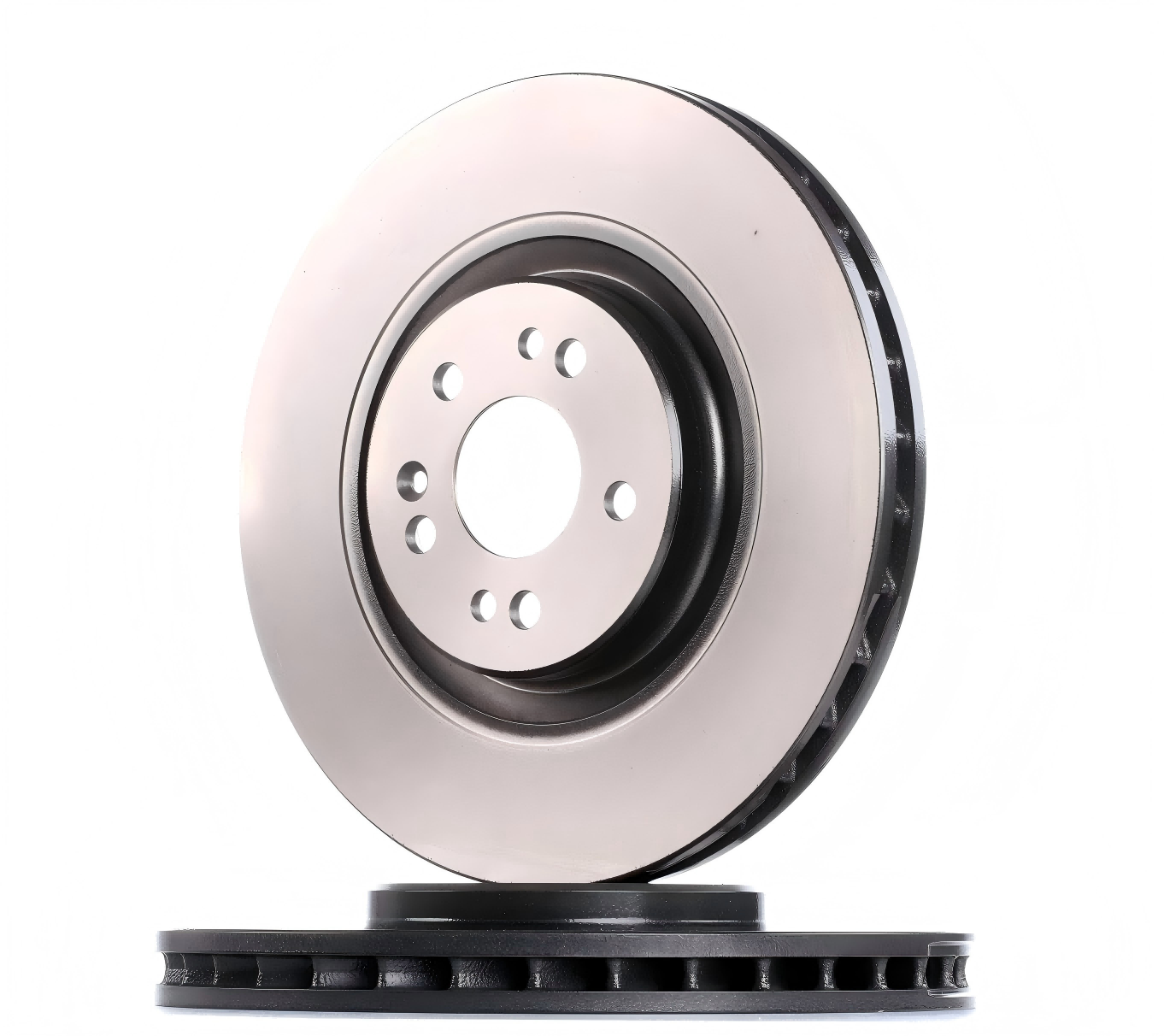
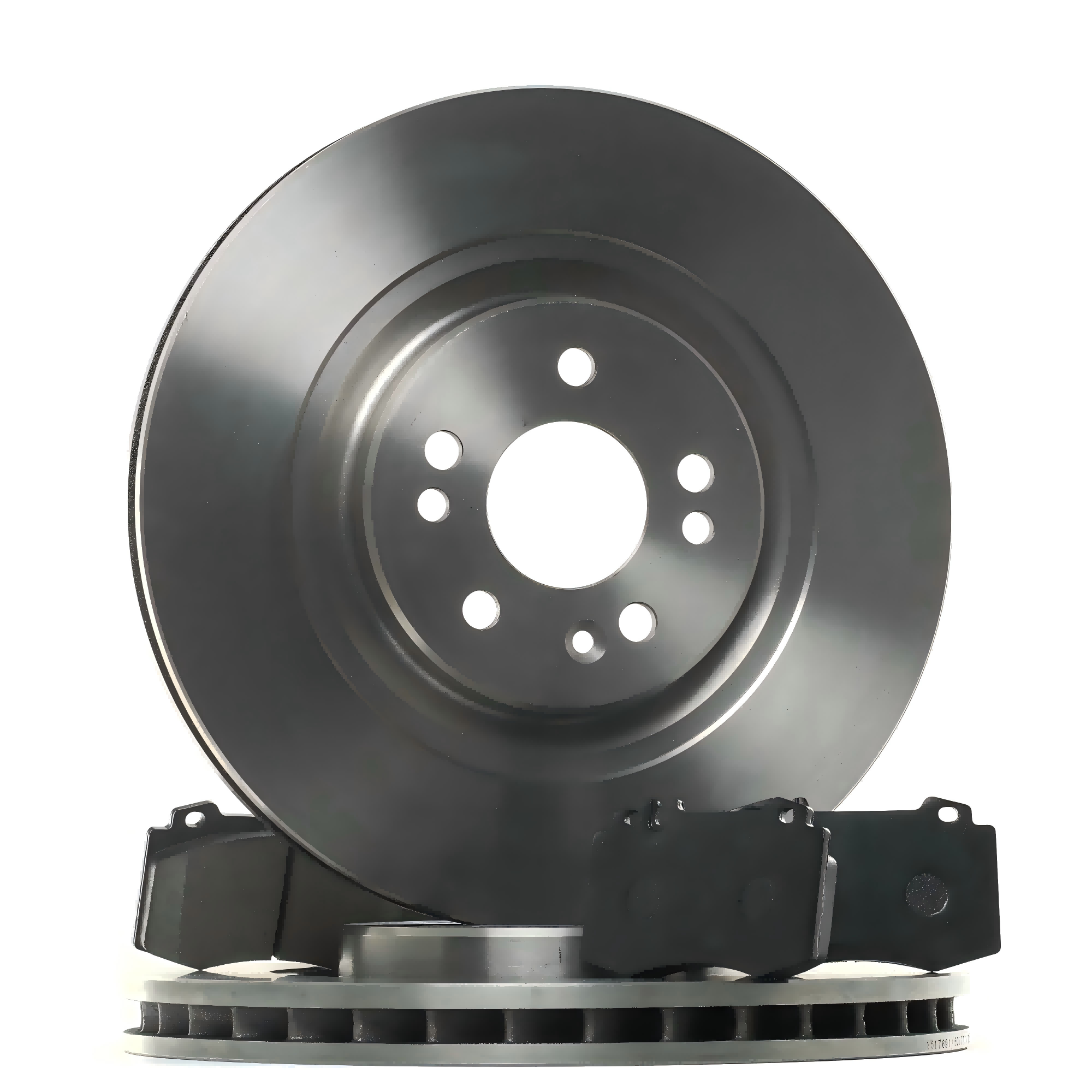
Automotive Brake Disc Types and Design Options
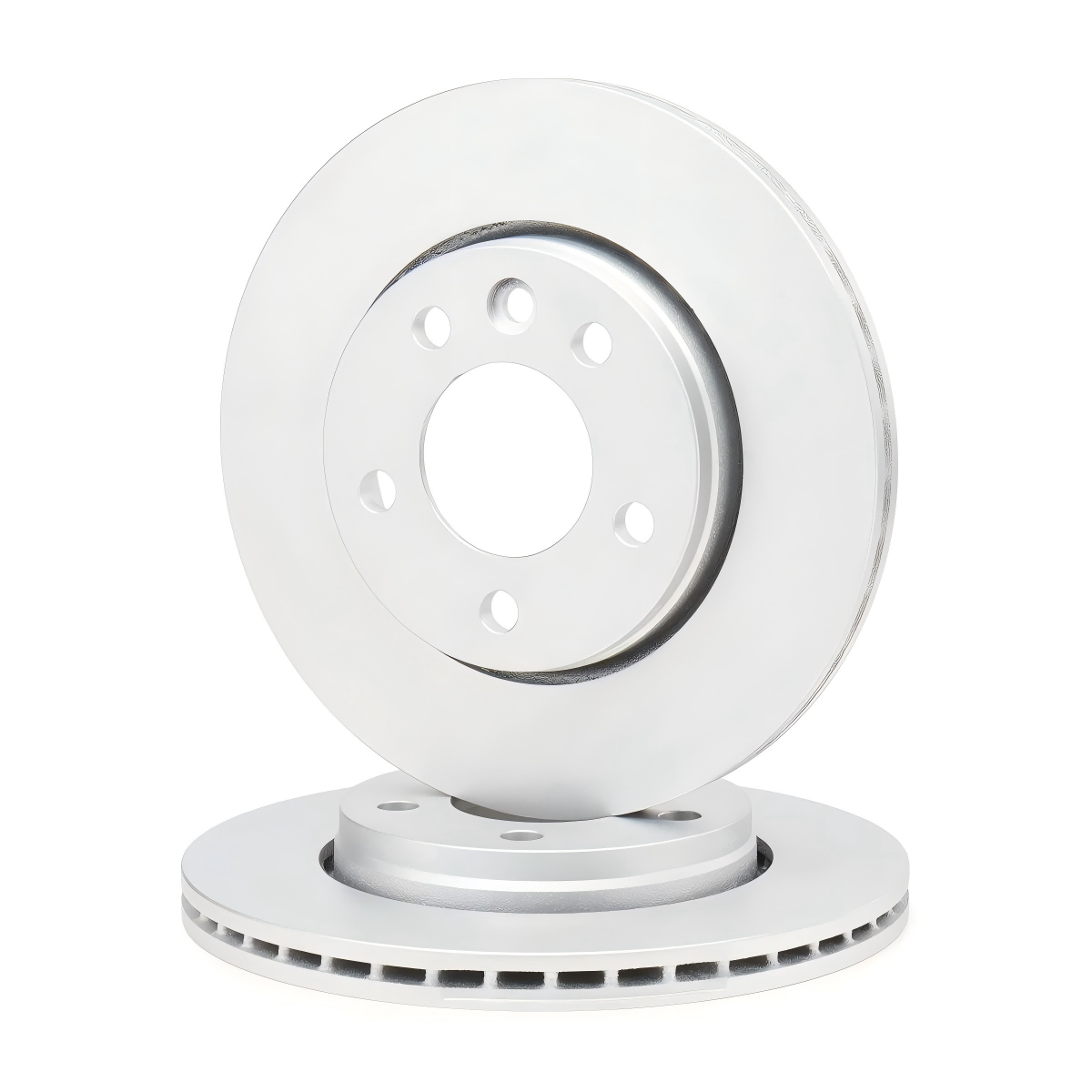
Different brake disc designs are developed for different vehicle configurations and braking requirements. Understanding their construction, friction surface and protective treatments helps distributors select suitable replacement rotors for their markets.
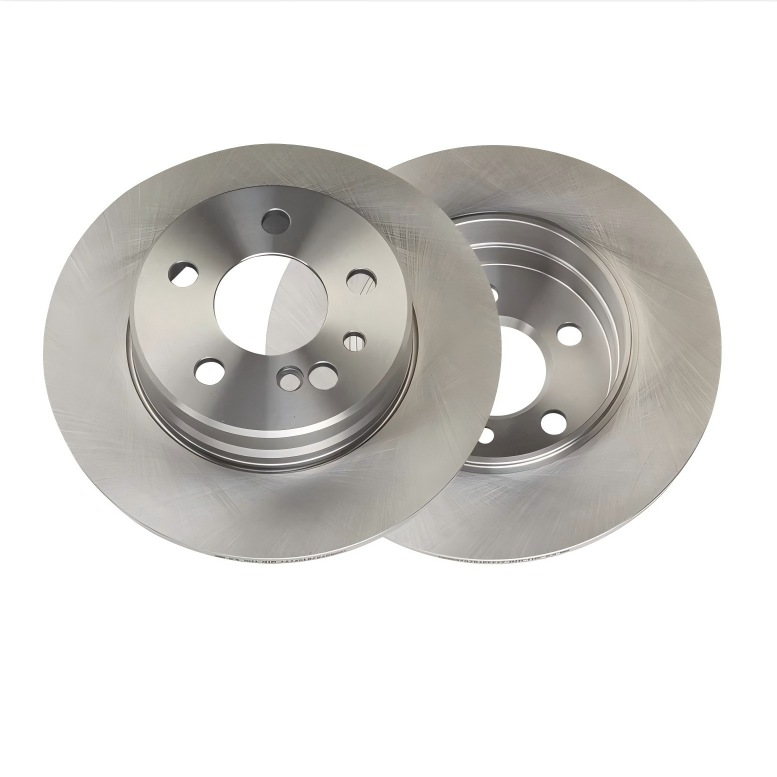
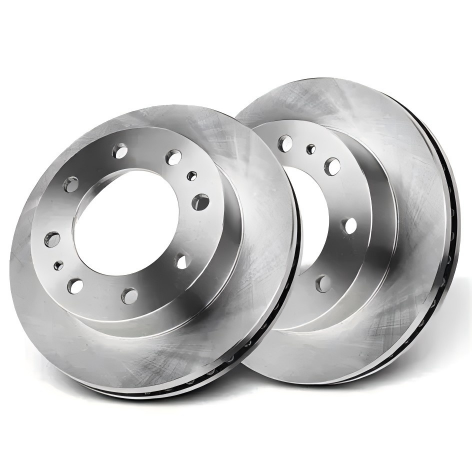
How Are These Brake Disc Designs Related?
Solid and vented describe the internal construction of a brake disc. Drilled and slotted describe the friction surface design, while coating refers to surface protection. These features are not necessarily mutually exclusive. For example, a vented rotor can also have a drilled or slotted friction surface and a protective coating on its non-braking areas. Buyers should evaluate the complete product specification instead of selecting by one feature alone.
Brake Disc Dimensions and Fitment: A Buyer’s Selection Guide
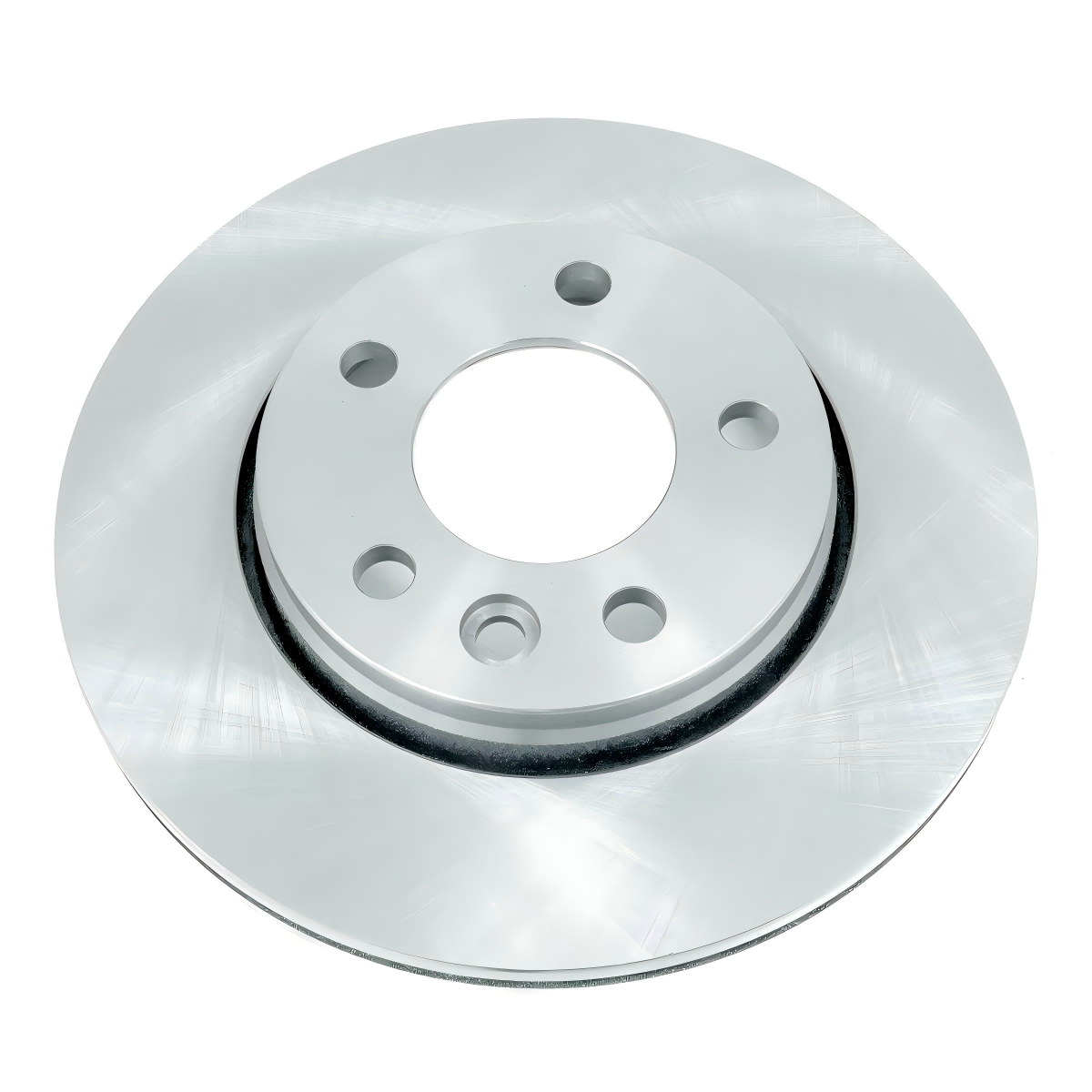
Correct brake disc fitment requires more than matching the outside diameter. Importers and aftermarket distributors should verify the complete dimensional profile, mounting configuration and original vehicle application before confirming an order.
Seven Important Specifications to Confirm
A brake disc must fit the vehicle hub and work with the specified caliper and brake pads. The following measurements provide a practical starting point for checking compatibility.
- Outside diameter (OD)
- Overall disc thickness
- Minimum allowable thickness
- Center bore diameter
- Number of mounting holes and bolt pattern
- Overall height and mounting offset
- Solid or ventilated construction
| Specification | What to Check | Fitment Importance |
|---|---|---|
| Outside Diameter | Overall diameter of the rotor | Must match the specified caliper and wheel assembly clearance. |
| Disc Thickness | New rotor thickness and specified minimum thickness | Affects brake pad clearance and caliper compatibility. |
| Center Bore | Diameter of the central mounting opening | Must match the specified hub arrangement. |
| Bolt Pattern | Number and position of mounting holes | Ensures correct mounting alignment. |
| Overall Height | Distance between the mounting face and specified rotor reference surface | Determines rotor positioning relative to the caliper. |
| Ventilation Design | Internal passage configuration | Must match the original brake disc construction. |
| OE Reference | Original equipment part number or approved drawing | Helps verify the intended vehicle application. |
Why Can Similar Brake Discs Have Different Fitment?
Different Axle Positions
Front and rear brake discs can have different dimensions and mounting designs, even on the same vehicle model.
Different Model Versions
Engine, chassis, production year and brake system configurations may affect the required rotor specification.
Different Mounting Geometry
Differences in center bore, bolt pattern and overall height can make visually similar rotors incompatible.
Procurement recommendation: When requesting a brake disc quotation, provide the OE reference number, vehicle make and model, model year, axle position and available dimensional drawings. If the part number is unknown, a physical sample with clear measurements can help establish the required specifications.
Brake Disc Manufacturing Quality: What Should Buyers Inspect?
For automotive parts distributors and wholesale buyers, brake disc quality should be evaluated through material specifications, casting condition, machining accuracy and product consistency. These factors help determine whether a rotor meets the approved technical requirements.
Material Specification and Consistency
Brake discs are commonly manufactured from cast iron. JUNZE's listed brake disc product information includes HT250, G3000 and G3500 material options. Buyers should confirm the specific grade required for each product number instead of assuming all models use the same material.
Casting Condition
Casting quality influences the structural integrity of the rotor. Buyers should pay attention to visible casting defects, material irregularities and compliance with the agreed material requirements. Applicable material inspection records can be requested during supplier evaluation.
Machining Accuracy
The friction faces, mounting surfaces and other critical dimensions require accurate machining. Important inspection points include disc thickness, thickness variation, lateral runout, diameter and mounting geometry.
Friction Surface Condition
The friction surfaces should meet the specified machining and surface condition requirements. For coated rotors, the friction faces must remain suitable for brake pad contact, while the designated non-braking surfaces receive protective treatment.
Runout and Balance Inspection
Lateral runout and balance are important considerations when assessing rotor manufacturing quality. Buyers should confirm the applicable inspection method, measurement requirements and acceptance limits in the approved product specification.
Batch Consistency and Packaging
For repeat wholesale orders, product dimensions, material specifications and identification should remain consistent with the approved sample. Packaging should also protect the friction surfaces and mounting areas against impact, moisture and abrasion during transportation.
What Documentation Should a Brake Disc Supplier Provide?
Depending on the product and order requirements, buyers can request approved drawings, material specifications, dimensional inspection records, relevant test reports and product identification information. Any quality certificates should be checked against their actual scope and validity. Documentation should correspond to the specific product and production requirements rather than being treated as a general guarantee for every brake disc model.
OEM and ODM Brake Disc Solutions for Automotive Parts Buyers
Different automotive brands, aftermarket distributors and wholesale buyers may require different brake disc dimensions, materials, product identification and packaging. We provide customized brake component services based on customer drawings, physical samples and vehicle model parameters.
Specification Customization
Discuss required brake disc dimensions, material specifications and product configurations according to the approved drawings or samples.
Product Development
We can evaluate customization requirements using vehicle model information, original references and customer-provided technical details.
Brand and Packaging
Discuss product identification, private-label requirements and packaging arrangements for overseas automotive parts distribution.
Information to Prepare Before Requesting a Quotation
- Vehicle make, model and model year
- Front or rear axle application
- OE reference number or product drawing
- Required brake disc construction and material
- Estimated order quantity and purchasing frequency
- Branding, labeling and packaging requirements
Providing complete technical information helps both parties evaluate product compatibility and customization requirements before production.
Frequently Asked Questions About Brake Discs
Find answers to common questions about brake disc types, material specifications, vehicle fitment, product quality and wholesale purchasing.
1. What is the difference between a solid brake disc and a vented brake disc?
A solid brake disc has a continuous body, while a vented brake disc contains internal passages between its friction faces. These passages help dissipate heat generated during braking. The correct type depends on the original vehicle braking system, axle position and operating requirements. A vented disc should not automatically replace a solid disc unless the vehicle specification allows it.
2. Are drilled and slotted brake discs better than standard brake rotors?
Drilled and slotted brake discs have additional holes or grooves on the friction surface. These designs can influence water evacuation, surface cleaning and friction behavior. However, they are not universally better for every vehicle or driving condition. Buyers should consider the original brake system design, intended application, material and complete rotor specifications before choosing a performance-style disc.
3. What material is commonly used for automotive brake discs?
Cast iron is widely used for automotive brake discs because of its friction and thermal characteristics. The exact material grade depends on the product design and application. JUNZE's listed brake disc product information includes HT250, G3000 and G3500. Buyers should confirm the material specification for each individual part number.
4. What is the purpose of a coated brake disc?
A coated brake disc has a protective finish on designated non-friction surfaces to help reduce corrosion and maintain appearance. JUNZE's listed coated brake disc uses Geomet or zinc coating on the hub, vanes and outer edges, while the friction surfaces remain uncoated and precision-machined. This type of surface protection can be useful in humid environments and areas where road salt is commonly used.
5. How do I identify the correct replacement brake disc for a vehicle?
Start with the original equipment part number, vehicle make, model, year and axle position. Then confirm the outside diameter, thickness, center bore, bolt pattern, overall height and rotor construction. For less common applications, a technical drawing or physical sample can help verify the required mounting dimensions and avoid incorrect fitment.
6. What is the minimum thickness of a brake disc?
Minimum thickness is the lowest allowable rotor thickness specified for a particular brake disc. It varies by product design and vehicle application. It should not be estimated from the rotor's outside diameter or general industry averages. Buyers and maintenance professionals should refer to the marking on the disc or the applicable vehicle and product service specification.
7. Why does a brake disc need runout and dimensional inspection?
Dimensional inspection checks whether the rotor matches its approved drawing and mounting requirements. Lateral runout is particularly important because excessive variation can contribute to brake vibration and uneven pad contact. Disc thickness, thickness variation, mounting surfaces and balance should also be evaluated according to the applicable product specifications.
8. Can the same brake disc fit different vehicle models?
Some vehicle models may share the same brake disc specification, but this should be confirmed rather than assumed. Different production years, engine configurations, axle positions and brake system versions can require different rotor dimensions. OE references and dimensional cross-checking are important when creating an aftermarket brake disc catalog.
9. Can JUNZE customize brake discs according to customer drawings or samples?
Yes. We provide OEM/ODM customization services for brake components based on customer drawings, physical samples and vehicle model parameters. For brake disc projects, buyers can discuss dimensions, material requirements, product specifications, branding and packaging. The final technical scope and production arrangements should be confirmed after reviewing the project requirements.
10. What should importers check before placing a bulk brake disc order?
Importers should confirm part numbers, vehicle applications, material specifications, dimensions, product construction and packaging requirements. They should also agree on inspection criteria, sample approval procedures and the relevant quality documentation before production. For repeat orders, maintaining consistent product references and approved specifications helps reduce inventory and fitment problems.