


Products
Explore Our Automotive Brake Parts and Hose Products
We supply automotive hoses and brake system components for vehicle replacement, aftermarket distribution and related automotive applications. Explore our two main product ranges to identify the components that match your business and application requirements.
01. Automotive Hoses
Our automotive hose range covers brake fluid transmission and vehicle air conditioning applications. Different hose types are designed for specific fluids, operating conditions, connection requirements and installation environments.
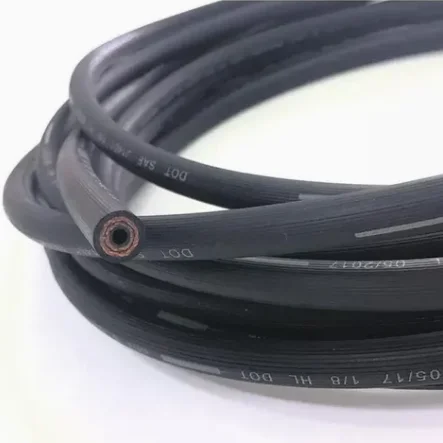
Hydraulic brake hose with reinforced construction
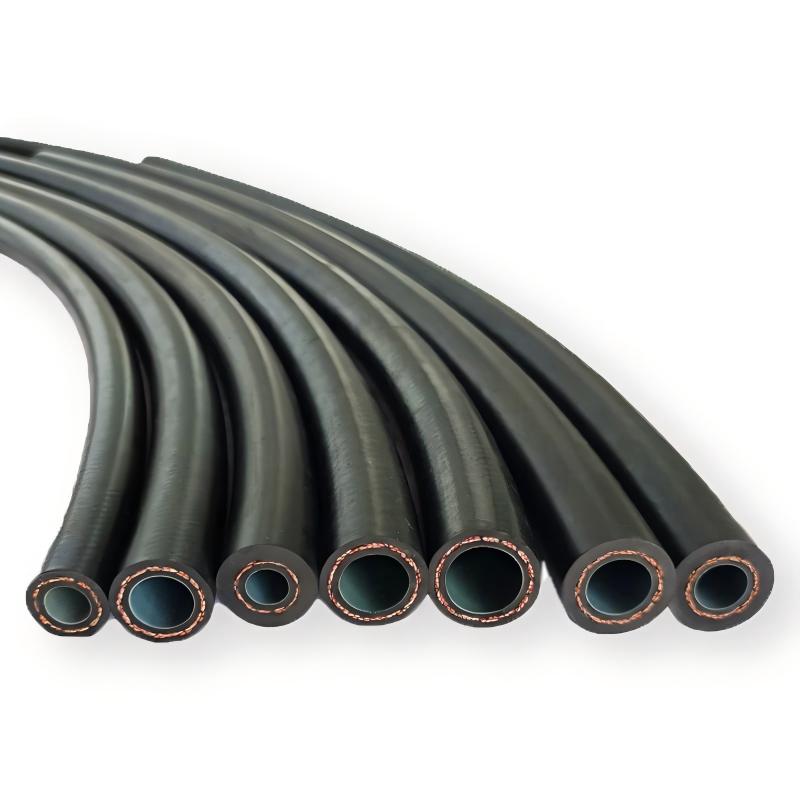
Automotive air conditioning hoses in different sizes
Main Product Categories
- Brake Hoses: Hydraulic brake hoses, brake hose assemblies, air brake hoses and related fittings.
- Air Conditioning Hoses: Type C, Type E, flexible, refrigerated vehicle and bus air conditioning hoses.
- Specialized Hose Solutions: Different hose constructions, dimensions and connection configurations for specific vehicle systems.
02. Brake System Parts
We also supply a range of automotive braking components used in disc and drum brake systems. These products serve different functions, from hydraulic pressure generation to friction-based braking and mechanical force transmission.

Automotive brake master cylinder assembly

Automotive ceramic brake pads
Main Product Categories
- Brake Discs: Friction components used in disc braking systems.
- Brake Drums: Friction components used in drum braking systems.
- Brake Master Cylinders: Components that generate hydraulic pressure in the braking system.
- Brake Calipers: Components that apply clamping force to the brake pads.
- Brake Pads and Brake Shoes: Friction components designed for different braking structures.
- Brake Cables: Mechanical transmission components for applicable braking systems.
How to Select the Right Automotive Brake Components
Choosing the right automotive brake parts requires more than checking the product name. Vehicle compatibility, dimensions, connection details and operating conditions all influence the selection. The following points can help you evaluate the correct product before purchasing.
| Product Type | Key Selection Factors | Information to Confirm |
|---|---|---|
| Hydraulic Brake Hose | Inner diameter, outer diameter, pressure requirements, temperature range and hose construction. | Required bore, working conditions, applicable standard and vehicle application. |
| Brake Hose Assembly | Hose length, end fittings, connection threads, fitting angles and installation position. | OE number, original assembly sample, fitting specifications and installation dimensions. |
| Air Conditioning Hose | Hose type, inner diameter, refrigerant compatibility, pressure and temperature conditions. | Refrigerant type, suction or discharge application, dimensions and routing conditions. |
| Brake System Parts | Component type, vehicle compatibility, dimensions, mounting structure and OE specifications. | Vehicle make, model, year, axle position and original part number. |
Five Checks Before Placing a Bulk Order
01. Confirm Vehicle Compatibility
Check the vehicle make, model, year, engine or braking configuration where applicable. For replacement components, use the original OE number as an important reference.
02. Verify Dimensions and Connections
Check inner and outer diameters, overall length, fitting threads, connection angles and mounting positions. Small dimensional differences can affect installation and compatibility.
03. Check Materials and Operating Conditions
Consider the required pressure, temperature, fluid or refrigerant compatibility, vibration exposure and installation environment. Different automotive hose applications require different constructions.
04. Confirm Applicable Standards and Inspection Requirements
Identify the standards applicable to the specific product. For example, SAE J1401 relates to hydraulic brake hose assemblies, while automotive air conditioning hoses have their own relevant specifications. Confirm product-specific test and inspection documentation before ordering.
05. Review Packaging and Order Consistency
For distributors and wholesalers, confirm product identification, part numbers, packaging specifications, quantities per package and the consistency of specifications across repeated orders.
Procurement Tip: When requesting replacement automotive brake components, providing an OE number, technical drawing or physical sample can help reduce identification errors. For customized brake components, we can evaluate requirements based on drawings, samples and vehicle model parameters.
Frequently Asked Questions About Automotive Brake Parts
Find practical answers to common questions about automotive brake components, hose specifications, product compatibility and bulk purchasing. These answers help distributors, importers and automotive parts buyers make more informed sourcing decisions.
1. What Is the Difference Between a Hydraulic Brake Hose and a Brake Hose Assembly?
A hydraulic brake hose is the flexible hose section that transfers brake fluid pressure between components of a hydraulic braking system. A brake hose assembly combines the hose with end fittings and connection components for a specific installation position. If you are purchasing for a repair shop or vehicle assembly application, consider whether you need bulk hose for cutting and crimping or a finished assembly with the required connections.
2. How Do You Choose the Correct Hydraulic Brake Hose Diameter for a Replacement Project?
The correct bore should follow the original vehicle specification or the technical requirements of the braking system. JUNZE lists hydraulic brake hose options with nominal inner diameters of 3.2mm, 4.8mm and 6.3mm. Do not select a diameter based only on the vehicle category. Confirm the actual dimensions, connection requirements and applicable specifications before purchasing replacement hose.
3. What Information Should You Provide When Ordering a Custom Brake Hose Assembly?
Provide the vehicle make and model, OE part number if available, installation position, required hose length, inner diameter, fitting thread specifications and fitting orientation. Drawings, photographs and original samples can also help clarify connection details. For a replacement assembly, checking both ends of the original component is important because visually similar fittings may have different thread or angle configurations.
4. Should Automotive Parts Distributors Purchase Brake Hose Coils or Finished Assemblies?
The choice depends on your customers and sales model. Brake hose coils are suitable for workshops that cut and assemble hoses according to vehicle requirements. Finished brake hose assemblies are more appropriate when customers need ready-to-install components with specified lengths and fittings. Distributors serving different markets may need both formats to cover different replacement and repair requirements.
5. Which Standards Should Buyers Check When Purchasing Automotive Brake Hoses?
Buyers should identify the applicable requirements for the specific hose and assembly. SAE J1401 addresses hydraulic brake hose assemblies used in road vehicle hydraulic braking systems. GB 16897-2022 covers the structure, performance requirements and test methods of brake hoses. Confirm the product's declared standard, applicable test records and required certification documents rather than assuming that one standard covers every automotive hose product.
6. What Should You Consider When Selecting an Automotive Air Conditioning Hose?
Start with the air conditioning system application and refrigerant type. Then check the required inner diameter, working pressure, temperature range, hose construction and installation route. You should also identify whether the hose is intended for a suction or discharge line. JUNZE offers Type C, Type E, flexible and other application-specific air conditioning hose products. The correct selection must follow the actual system specifications rather than relying on the hose name alone.
7. What Is Important When Sourcing Air Conditioning Hoses for Buses and Refrigerated Trucks?
Consider the vehicle's operating environment, hose routing, installation length, refrigerant compatibility and exposure to vibration or external abrasion. Bus systems may involve long hose routing along the chassis, while refrigerated vehicles operate in cold-chain transport environments. Confirm the required hose diameter, construction, temperature range and pressure specifications against the actual vehicle system before ordering.
8. How Can You Identify Whether a Vehicle Requires Brake Discs or Brake Drums?
Check the original braking system configuration and the component installed on the relevant axle. Disc brakes use a rotating brake disc and a caliper with brake pads, while drum brakes use a rotating drum and brake shoes. Some vehicles use different braking structures on the front and rear axles. Always verify the vehicle model, axle position and OE part number before ordering replacement brake components.
9. What Should Importers Check Before Purchasing Multiple Brake Component Models in Bulk?
Prepare a product list with OE numbers, vehicle applications, dimensions, materials and required quantities for each model. Check that front and rear components, left and right positions, and different product versions are clearly identified. You should also confirm packaging, product markings, applicable quality documents and inspection requirements. A clear SKU specification list helps reduce model mix-ups and makes repeat purchasing easier to manage.
10. Can JUNZE Provide OEM/ODM Automotive Brake Components for Overseas Buyers?
Yes. We provide OEM/ODM customization for brake components based on customer drawings, samples and vehicle model parameters. Our customization services cover product specifications, brand requirements and packaging arrangements. For a new project, you can provide the relevant technical drawings, OE references or physical samples so that the product requirements can be evaluated before development and production. The available customization scope should be confirmed for each specific product.
Looking for an Automotive Brake Parts Supplier?
We welcome inquiries from automotive parts distributors, importers, wholesalers and OEM buyers. Contact our team to discuss product specifications, replacement requirements and potential customization projects.
Explore OEM/ODM Services Contact JUNZE